Jägermeister: 7 cocktail recipes + 12 facts about the liquor

Jägermeister (Jägermeister) is a German digestif made from 56 different herbs and spices with a strength of 35%.
The liqueur has a deep dark color, herbal taste and aroma with notes of cinnamon, a dash of ginger and saffron.
It is known that the ingredients for creating the drink are crushed, then immersed in water and alcohol for 2-3 days. This mixture is then filtered and stored in oak barrels for about a year. After 12 months, the liquor is filtered again, then mixed with sugar, caramel and alcohol.
How to drink Jägermeister
Properly drink Jaegermeister neat and chilled to -18 degrees with 50 ml of shots.
An alternative variant. Prepare shots of ice and pour the liquor directly into them. Attractive and unusual presentation motivates your guests to fill the shot again.
Jägermeister also goes well in cocktails, the recipes for which you will find below..
The company also recommends storing Jägermeister bottles on ice if it is an event.
At home, it is recommended to store the liqueur in the freezer at -18° C.
Cocktail: Jägermeister Cut
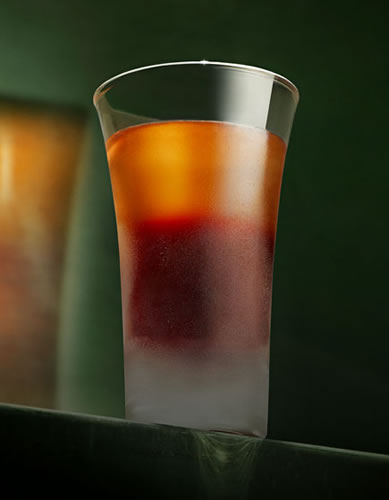
Jägermeister - 10 ml
Bourbon - 10 ml
Lemon zest - 1 pc.
Pour liquor into the shot glass, and then bourbon. Squeeze the lemon zest into the shot and garnish as you wish.
Cocktail: Jägermeister Hunter's Tea

Jägermeister - 50 ml
Lime juice - 20 ml
Black tea - 50 ml
Maple syrup - 15 ml
Lemon zest - 1 pc.
Ice in cubes
Brew tea and let it cool down. Pour the tea, jägermeister, maple syrup and lemon juice into an iced rocks glass. Add ice and stir with a bar spoon. Garnish with a lemon peel twist.
For the cocktail: Jägermeister Naughty German

Jägermeister - 35 ml
Sugar syrup - 10 ml
Blackcurrant liqueur - 10 ml
Lemon juice - 15 ml
Lemon zest - 1 pc.
Ice in cubes
Add all liquids and ice to the shaker. Shake well. Pour over a strainer into a bowl. Garnish with a lemon peel twist.
Cocktail: Jägermeister Mule

Jägermeister - 50 ml
Ginger beer - 120 ml
Lime - 2 wedges
Ice in cubes
Crush lime wedges at the bottom of the highball. Add the ice cubes, Jägermeister and ginger beer in the order indicated. Stir with a bar spoon.
The cocktail: Jägermeister Purple Stag

Jägermeister - 50 ml
Tea - 25 ml
Lemon juice - 25 ml
Blackberry jam - 10 ml
Fresh blackberries - 5-7 pcs.
Powdered sugar - 3 g
Ice in cubes
Crush and stir fresh blackberries and jam in a shaker. Add ice and all other liquids to a shaker. Shake well and pour the contents of the shaker through a strainer into a rocks glass with ice. Garnish with fresh blackberries and a sprinkle of powdered sugar.
The cocktail: Jägermeister Old Fashioned

Jägermeister - 15 ml
Maple syrup - 15 ml
Rye whiskey - 45 ml
Lemon or orange zest - 1 pc.
Any bitters to taste, for example, angostura - 1-2 drops
Ice in cubes
Pour all ingredients into a rocks glass over ice cubes and stir with a bar spoon. Garnish with lemon or orange peel.
Cocktail: Jägermeister Count Mast

Jägermeister - 30 ml
Sweet red vermouth - 30 ml
For the gin - 30 ml
Lemon zest - 1 pc.
Ice in cubes
Add Jägermeister, gin, sweet vermouth and ice to a mixing glass. Stir well with a bar spoon. Pour through a strainer into a chilled cocktail glass. Garnish with lemon zest on a skewer.
12 facts about the liqueur Eggermeister
For more than half a century, Jägermeister's recipe has not changed
Authentic originality is one of the main features of the alcohol brand.
Just like 80 years ago, it is still produced in Wolfenbüttel, Germany
Today, the company has "outgrown" the old vinegar factory and now Egermeister is bottled at 3 different plants.
Wolfenbüttel became a tourist town thanks to Egermeister
With a population of only 50 thousand people, Wolfenbüttel is visited by a large number of visitors due to the popularity of the liquor produced there. Tourists come to visit the factory and the headquarters. There is also a hotel in the city with the same name "Jaegermeister".
It takes 1 year for the liquor to be "put" into a bottle
This is a rather long and laborious process. Before Jägermeister is bottled, it is first filtered and poured into oak barrels, where it is left for exactly 1 year. After that, the liquor undergoes 383 series of quality checks, including another round of filtration with sugar, caramel, alcohol and water.
Germans call it "liver glue"
Although many people now believe that Jaegermeister is a popular shot in nightclubs, it was originally prescribed as a digestif. Many Germans still drink it after meals.
Egermeister heals
Like most herbal liqueurs, Jägermeister was originally used in medicine. Even today, there are those who claim that it helps with colds.
The liquor does not contain the blood of deer or elk
Contrary to some legends about Jägermeister, you will not find the blood of these noble horned animals in its composition.
The bottle shape is the most durable among other shapes
Kurt Mast perfected the world-famous green bottle by smashing a large number of bottles of various shapes on the kitchen floor in his house. That is, the form that exists today has proven its reliability and durability in practice.
Unusual logo
It is believed that the idea of creating the logo was inspired by the story of a couple of saints who converted to Christianity after having a vision of a crucifixion between the antlers of a deer.
Germans use liquor as insect bait
Wasps and flies also love Jägermeister.
Liqueur is often used in cooking
Believe it or not, but with the help of Eggermeister, you can make a delicious sauce for chicken wings, marinade, and even brownies.
Jägermeister is one of the most popular liqueur brands in the world
Today, the liqueur is sold in 80 countries, and 80% of all sales are in other countries, not the country of origin. The largest market for the liqueur is the United States, where its sales have increased 4 times over the past few years. The company has only 530 employees.

The history of the liqueur Jägermeister
1935: The recipe for Eggermeister liqueur was invented at a vinegar factory by a man named Kurt Mast, who took 20 years to get the factory from his father.
It was after this momentous event that Kurt decided to focus more on the production of alcohol, which subsequently led to the creation of a world-famous drink.
1919: Jaegermeister has attracted international attention, in particular due to the work of Sidney Frank, who ran an American liquor import company.
Since the 1980s, he has been promoting the drink to the youth and student market as a party drink, a niche that was very different from the brand's conservative position on the German market.
2012: Jägermeister launched pre-mixed drinks under the label: "raw" and "ginger lime", but this innovation was not successful.
2015: Mast-Jägermeister acquires Sidney Frank Importing.
2019 - today: The company is developing, releasing new versions of the original recipe, experimenting with advertising and sponsoring various music events and nightlife in general.
Types of Jägermeister
Jägermeister
The original version of the liqueur, the recipe of which has not changed since its creation. A catalyst for epic parties.

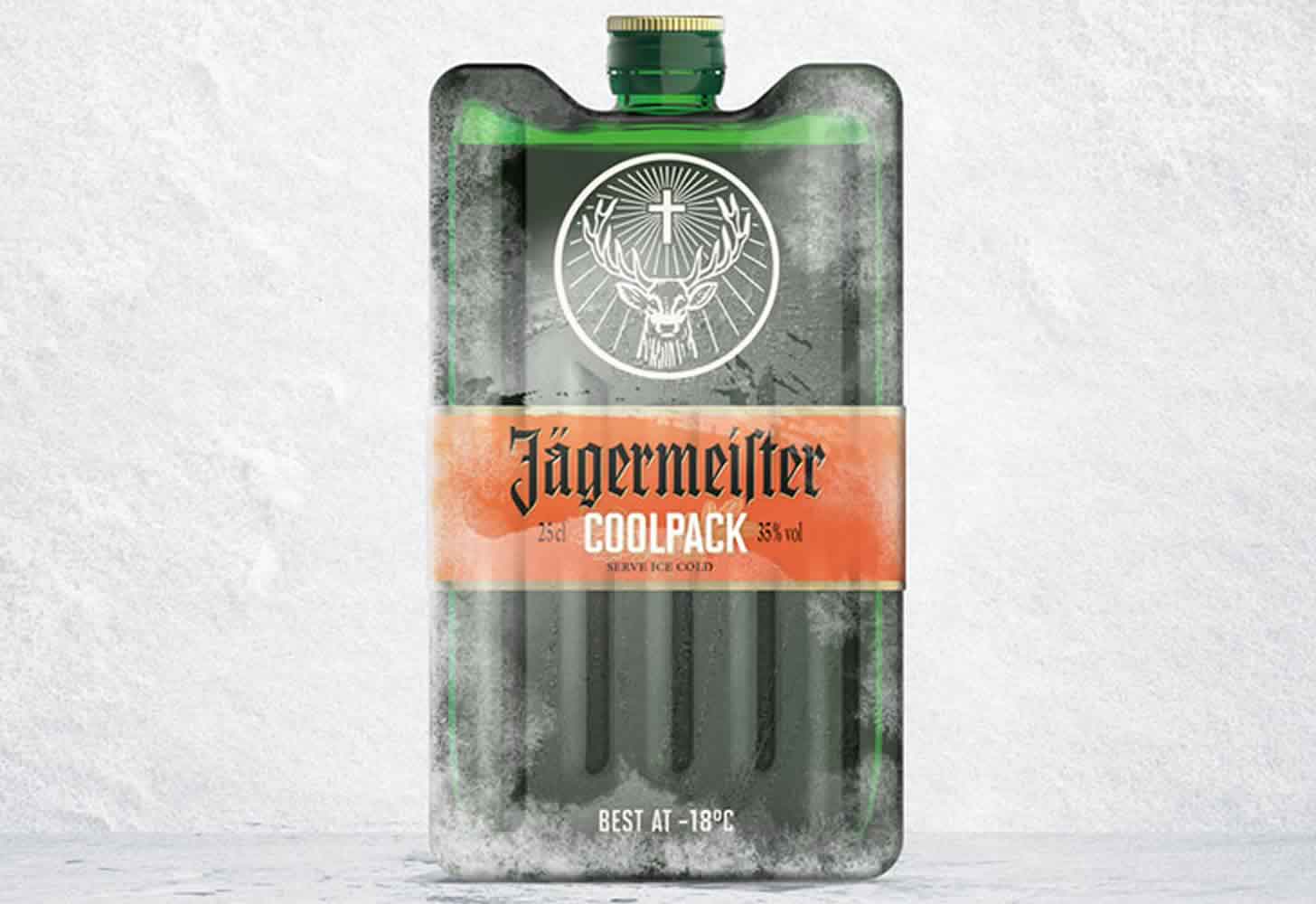
Jägermeister Coolpack
It differs from the original version only in its unusual design and clear instructions for use: freeze the liquor to -18 °C!
Jägermeister Manifest
A new craft flavor based on the original recipe, but lighter and more feminine in taste and color.


Update: 06.05.2022
Category: Liqueurs and Tinctures