Löwenbräu beer: history, overview of types, awards + interesting facts

Löwenbräu - lager originally from Munich. Since 1810, it has been annually supplied to the Oktoberfest, and is one of the "Big Six of Munich". The beer has a long history and is produced according to the same recipe.
The history of Levenbroeck beer
1524: Jörg Schnaitter is mentioned as the first brewer at Löwengrube 17 in Munich.
1746: The first written mention appeared only in the XVIII century, the name of the company appeared in the Munich tax records.
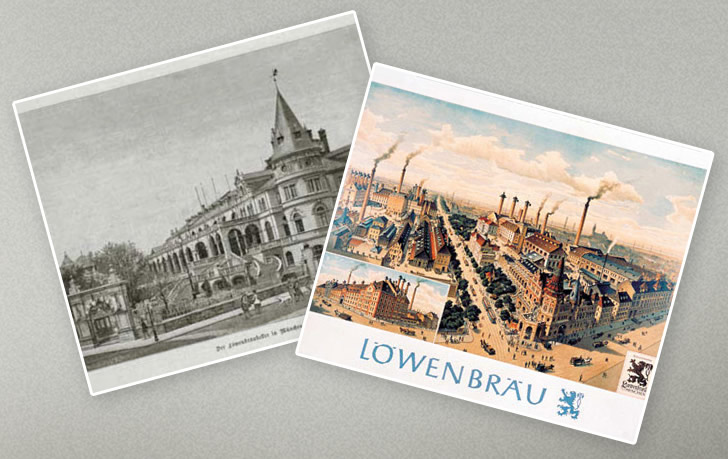
1818: Georg Brey, a brewer of peasant origin, bought a brewery that began to grow and develop successfully under his leadership.
1863: Munich's Löwenbräu was awarded the status of the largest brewery, as it produced 1/4 of all beer in the city.
1872: The brewery was officially registered under the name Aktienbrauerei zum Löwenbräu.
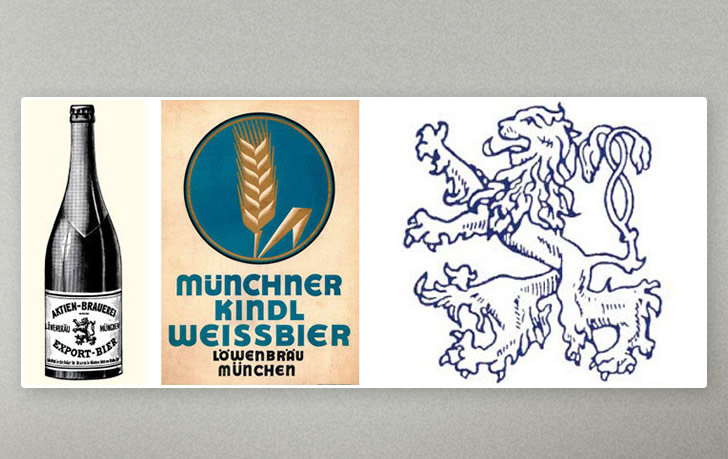
1886: A trademark with the image of a lion is registered. At the turn of the century, the brewery was the largest in Germany, although it was heavily dependent on exports.
1900: The beer was awarded the Grand Prix at the World Exhibition in Paris.
1912: Levenbroeck produces about one million hectoliters per year.
1921: Löwenbräu merged with the Unionsbräu Schülein & Cie and Munich Bürgerbräu, two other breweries, are registered.
1923: On November 8 and 9, the events later called the Beer Putsch or Beer Hall Putsch took place at the brewery. Adolf Hitler attempts a coup d'état, opposing German policies that were leading the country to decline. This moment was a turning point in the country's history, as it marked the beginning of the rule of Hitler's Social Democratic Party.
1928: Wilhelm von Fink and Josef Schülein, a Jew, join the supervisory board of the new corporation. Later, the second owner of the company's tenure led to the Nazis ridiculing the alcohol, calling it "Jewish beer".
1950: The company installed a mechanical lion roaring at the Oktoberfest festival.

1975: Miller Brewing acquires the rights to Löwenbräu in North America. After two years of exports, Miller began brewing the drink domestically according to an Americanized recipe, and shipments from Munich stopped.
1997: The traditional Munich breweries Löwenbräu and Spaten merge to successfully survive in a globalized market.
1999: The rights to Löwenbräu in America were transferred to Labatt Brewing Company, which launched production for Canada as well. German recipe was used. Three years later, production stopped, and shipments from Germany resumed, but in smaller quantities.
2004: After numerous mergers and transformations, on October 1, the brewery became part of Anheuser-Busch InBev.
2014: Canada regains the rights to Löwenbräu and begins brewing it at its London brewery.
2020: Once one of Germany's largest breweries, today Löwenbräu is a local brand owned by an international company based in Bremen. In Russia, the brand is represented by AB InBev Efes.
Types of Löwenbräu beer
In Russia, only the first two types of drink are sold, the rest can be tasted only abroad.

-
Original, 5.2%
A classic Bavarian beer. Brewed from natural ingredients in strict accordance with the Beer Purity Act of 1516. The beer is based on barley, water, high-quality hops from Hallertau for bitterness and aroma, and special Löwenbräu yeast. Straw-colored. Tart, moderately bitter. The taste reveals notes of honey, grains, malt and fruit. It smells like young grass. Medium amount of foam.
-
Dunkel, 5.5% alcohol content
Dry dark lager of deep color with red tints in the light. Coffee and chocolate flavor, malt nuances present. Smells like burnt caramel malt. Easy to drink, leaves a pleasant aftertaste. There is both spice and light bitterness from hops.
-
Oktoberfestbier, 6.1% alcohol content
The first association that beer evokes is the German Oktoberfest festival. The lager has a straw color and high foam. The taste is harmonious, consisting of sweet malt notes and bitter hops. Smells like spices, flowers and herbs. Made in the Märzen/Oktoberfest style, which is clearly visible even in the aftertaste.
-
Natur Radler, 2.5%
Half beer, half natural lemonade. It has a refreshing and refined taste.
-
Triumphator, 7.6% alcohol
Belongs to the doppelbock variety. Black-brown with red tints in the light. The bouquet reveals caramel from roasted dark malt, honey, hop bitterness, coffee and chocolate. Has a warming effect.
-
Urtyp, 5.4%
Light beer brewed according to traditional recipes since 2006. The taste is harmonious with malt and hop flavors. The aroma is refreshing, woven from notes of grapefruit, spices and honey herbs.
-
Weisse, 5.2%
A classic representative of Munich's light beer. Brewed according to old recipes. The taste is fresh and spicy.
Awards
-
In 2008, at the Great Moscow International Beer Festival, the drink received the Platinum Osiris in the Best Light category.
-
In 2016, at the World Beer Cup in Philadelphia, the beer was awarded a gold medal.
-
The beer won gold at the European Beer Star in Greffelfing in 2009 and 2010.
-
In 1989, the beer won gold at the Denver Great American Beer Festival.
Interesting facts
-
The Lion emblem originates from a seventeenth-century fresco in a brewery. It depicts Daniel in the lion's den.
-
In North America, the drink was considered a model of Munich beer, as evidenced by its presence at the 1967 Montreal Expo.
-
In America, the brand competed with Michelob Miller. Its representatives pointed out that the changes made to the recipe violated the Beer Purity Law, although the advertising stated the opposite. No regulatory measures were taken, but sales of Löwenbräu fell.
-
In November 2014, Canadian sommelier Jamie Drummond called for a boycott of the brand's production in Canada. In the online edition of Good Food Revolution, he stated that the new product was inferior in taste to the original.
Update: 31.05.2020
Category: Beer, Cider, Ale