Balls liqueurs: a brief overview of the types of alcohol
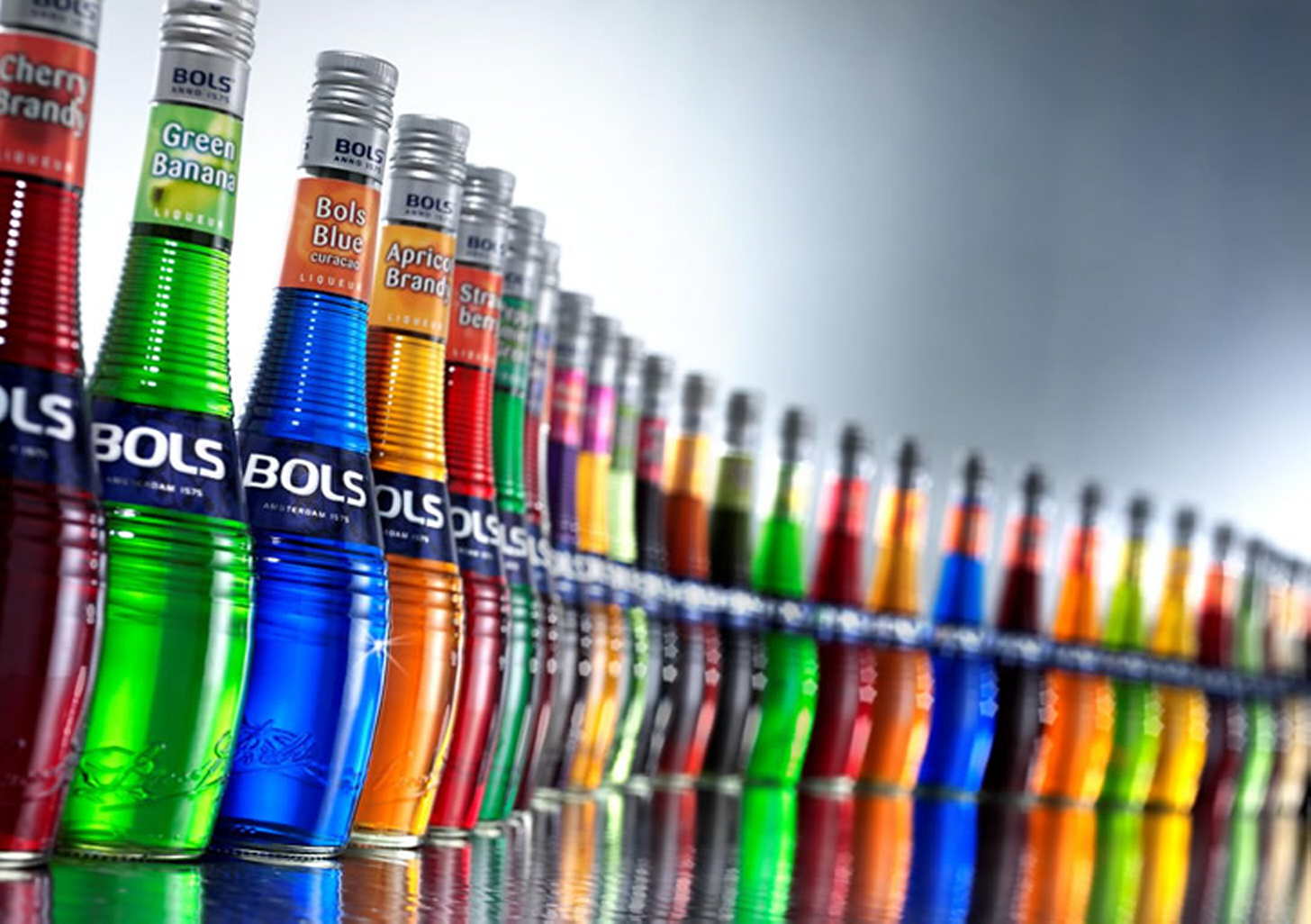
The Dutch company Lucas Bols, founded in 1575, positions itself as the world's oldest officially registered distillery.
The main specialization of Dutch distillers is the production of liqueurs.
Among them there are several created, usurped or bought brands of global and local scale, which are consumed in pure form and in some cases even served on royal tables, as well as several dozen drinks suitable exclusively for making cocktails.
World brands from Lucas Balls
Such drinks are well-deservedly popular all over the world:
Advocaat - egg liqueur, the prototype of which was brought by the Dutch from South America.
Amaretto - quite a decent variation on the famous Italian almond elixir.
Vaccari - author's sambuca, named in honor of the creator of the liqueur Galliano: Arturo Vaccari.
Galliano - Italian vanilla-anise liqueur with herbal overtones, bought by the clever Dutch from the heirs of Arturo.
Sloe Gin - a dessert drink, hotly loved by the English people.
Domestic Dutch stamps
Among the liqueurs from Balls that are not officially exported outside the country, special attention should be paid to the following:
Goldstrike - a cinnamon decoct based on schnapps containing microscopic gold flakes. A tribute to a tradition that originated among the Dutch Boers: colonists from South Africa;
Silverstrike - a less strong silvered modern variation on the theme of precious metals;
Black Chicken (Zwarte Kip) - the so-called thick Advocate: a more concentrated version of the egg dessert drink.
Cocktail liqueurs
For cocktail lovers, the Dutch company offers a wide range of different decors:
Watermelon liqueur;
Butterscotch schnapps is a strange drink with a pronounced caramel and toffee flavor;
Vanilla;
Bitter orange - infused with Spanish oranges and bitter herbs;
Pomegranate liqueur;
Melon;
Blackberry liqueur;
Green banana (Grune Bananes);
Green Tea liqueur;
Kiwi;
Sour apple;
Strawberry (Fraise, Strawberry);
Coconut - the liqueur is not without rum hints;
Kontiki - a grapefruit and lemon elixir "for the ones in the know" on a cassava basis;
Coffee liqueur; as well as its local variation "for our own" called Evita;
Red Orange - the drink contains a variety of fruit additives, including peach and passion fruit;
Crème de Banane - flavored with almonds, herbs and spices;
Crème de cacao - brown and white variations;
Blue Curaçao - also known as Bols Blue;
Dry Orange Curaçao - orange peel and bitter herbs;
Lychee - a drink made from the tropical fruit of the same name cultivated in South China and Southeast Asia;
Raspberry (Framboise or simply Raspberry);
Mango;
Passion fruit (Passoa, Passion fruit);
Maraschino - with the addition of some herbs;
Mint (Crème de Menthe or Peppermint) - found in green and white versions;
Parfait Amour - a strange lilac liqueur with a claim to age-old traditions. Includes oranges, rose petals and vanilla infused with grape alcohol;
Peach;
Pisang Ambon is an intensively promoted banana liqueur with an Indonesian colonial past. It tastes not so much like the advertised green bananas as like Duchess or Barberry candy;
Triple sec - classic and with the addition of lime extract (Triple sec and lime);
Blueberry;
Blackcurrant (Crème de Cassis).
Fruit brandies
Dutch distillers also refer to the category of liqueurs, produced by them fruit and berry brandy. Probably, this circumstance is explained by the addition of some sugar syrup to the mentioned drinks.
The drinks in this category include the following names:
Apricot brandy (Apricot brandy).
Cherry brandy.
Kirsch (Kirsch is a cherry liqueur that is widely produced in Swabia and German Switzerland.
Prinzenkirsch - a sweeter and richer version of the previous drink.
Update: 19.11.2017
Category: Liqueurs and Tinctures