Barolo wine: history, overview of types, how and with what to drink + how to distinguish a fake

Barolo - is an Italian red wine made from the Nebbiolo variety in the northern part of the country in the Langhe region of Piedmont.
Barolo matures in oak barrels for about 1.5 years. The total minimum aging period is 3 years. Barolo Riserva wines are aged in oak barrels for two years. In general, they are aged for 5 years.
Wines have great potential, so they only get better over the years. Volume percentage of alcohol is on average 13.
History of Barolo wine
The name Barolo was invented in 1751. This word was used to designate barrels that were exported to the UK. The name of the drink is the merit of Italian representatives of the Ministry of Foreign Affairs.
Until 1847, the wine was distributed in barrels, until Count Camillo Benso di Cavour began to pour it into glass containers. The count arrived in the territory of Lange in 1832. At that time he was 22 years old. The farm was 200 hectares in size and included a castle, mills and vineyards.
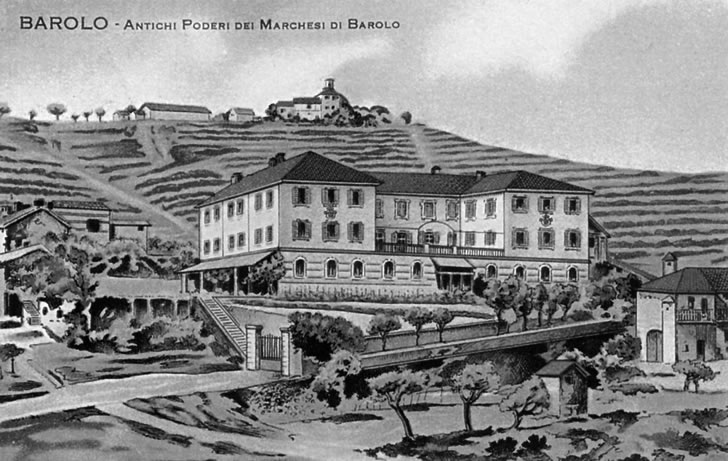
In 1836, Benso invited the viticulturist Pierre Francesco Staleno to advise him. First of all, fermentation was carried out in sealed containers in order to reduce the interaction of wine with oxygen, and sulfites were used.
By 1847, Bensaud began to cooperate with the French wine distributor Louis Udar, and he began to produce wine on the territory of the Bensaud estate. Udar's alcohol was dry, Stagliano's was sweet. This came to light when Benso was sent samples from 1843. In addition, Udar focused more on vat aging.
In 1960, the wine was assigned the DOC classification, which means that the origin is controlled and production is assigned to a specific region, in 1980 - the DOCG status, which indicates that the origin is not only controlled but also guaranteed, a specific method is used. The DOCG area includes 11 communes. In another way they are called "cru". The most famous are Serralunga d’Alba, La Morra, Monforte d’Alba, Castiglione Faletto.
The period of 1970-1980 is called the "Barolo Wars" because the grapes were initially harvested before they were ripe. The drink was fermented for several weeks and matured for several more years. The wine had heavy tannins, and the taste of dried fruit replaced the fruit. Unobtrusive wines with fruity notes became popular at that time.
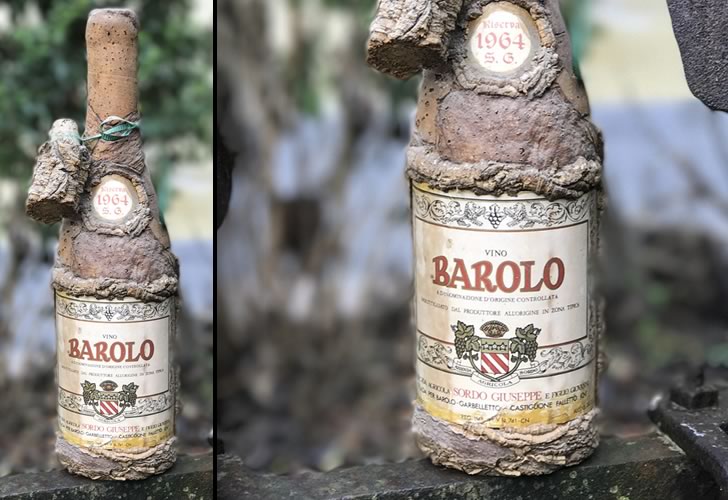
At that time, Barolo producers reduced the maceration process to a few days, and maturation to 3-10 days. Although the drink was stored in barrels for less time, it was stored in containers for longer. Not everyone agreed with the newfangled trends, and winemakers were divided into 2 camps: conservatives and modernists. Their conflict was nicknamed the "Barolo Wars".
Today, there are technologies that allow you to harvest grapes when they are ripe, and producers prefer to make something in between a heavy and a light wine.
Types of Barolo wines
Unfortunately, there is no official classification of alcohol. There are many names, and the choice depends on personal preferences. Vzboltai recommends the five brightest representatives.
-
Bussia Dardi Le Rose, 14%
Ruby color. The aroma is spicy. The palate is characterized by raspberry and blackberry berries, rich tannins and mineral nuances. Long aftertaste.
-
Silvio Grasso Ciabot Manzoni, 14%
Ruby color. The aroma is berry and menthol, with hints of cherry, blackberry and oak. The taste is fruity with rich tannins. The aftertaste is long-lasting.
-
Riserva San Bernardo, 14%
The wine has a complex aroma of rosemary and bitter orange with notes of vanilla and red fruits. Strong tannins. The finish is long with liquorice and balsamic nuances.
-
Barale Fratelli, Barolo Chinato, 17%
The color is garnet. The aroma is bright with cinnamon nuances and rhubarb. Light tannins. The taste is spicy, bittersweet due to quinine. Rich long aftertaste.
-
Riserva Granbussia, 14.5%
The color is dark garnet. The aroma reveals violet flowers, notes of vanilla and red fruits, chocolate and vanilla hints. By weight, the wine is full-bodied, the taste is well structured. The aftertaste is long.
How and with what to drink
The wine is served at a temperature of 18-20 °C in special Piedmont glasses. If there are none, voluminous, tapered upwards, with a long stem will do.
Red dry wine is combined with red meat, stewed or fried, game, delicate cheeses with bright flavors, truffles. Sugar-free cookies are suitable for baking. The wine will be a wonderful independent drink.
Barolo Chinato will be a great addition to sweet desserts, especially chocolate. It can be consumed as an aperitif and punch.
Professional sommeliers advise choosing wine aged 5-10 years.
How to distinguish original Barolo wine from a fake
-
It is difficult to find wine on the Russian market, but if you do, check out the appearance of the bottle on the Internet. There are many variations of wine, it is difficult to give universal recommendations.
-
The packaging must be of high quality, because the wine is expensive, and the price varies from 1,500 to 90,000 rubles.
-
Regardless of the aging period, no sediment is released. Make sure the liquid is crystal clear.
Interesting facts
-
Nebbia means "fog" in Italian.
-
Nebbiolo grapes are one of the most difficult to taste. It has a lot of tannins, not all of them ripen, so the berries are harvested green and hard.
-
It is difficult to achieve a rich color from the wine due to the low pigmentation of the grapes.
-
In the spring, the first berries appear, and winemakers are afraid that they will freeze. But in the fall, the grapes gain strength, and they are not afraid of anything.
-
Grapes cannot grow on the plains, and cover the slopes of the Alps in the south, the fog protects them from the heat. At night, the tannins are saturated, and during the day, sugar rises. The temperature difference gives unique flavor notes, and the mountain soil gives mineral nuances.
Update: 27.03.2020
Category: Wine and Vermouth