5 different homemade wine recipes that everyone should make
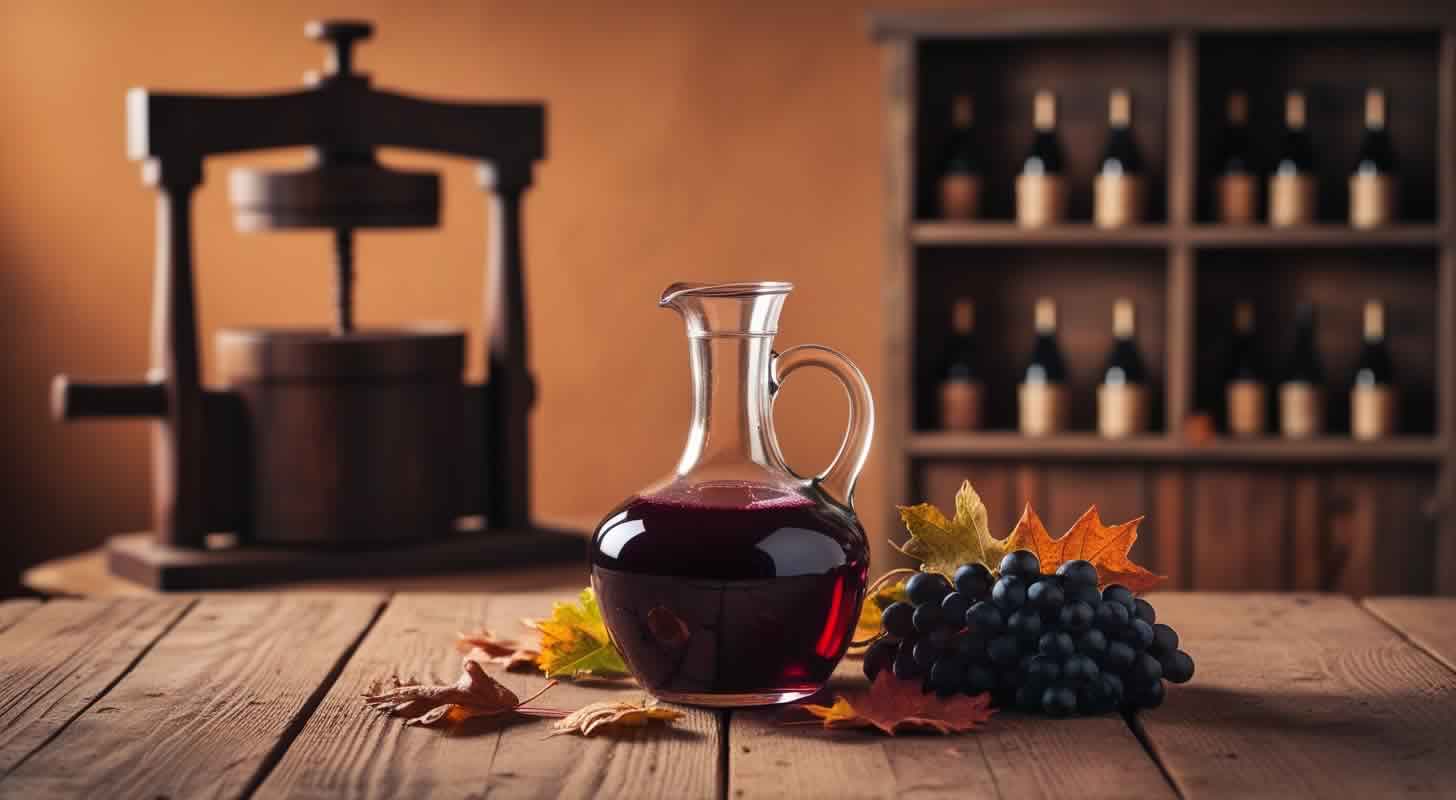
Homemade natural wines from various berries
For this recipe, you can use raspberries, strawberries, blackberries, blueberries, red currants, and gooseberries.
IngredientsBerries - 3 kg
Sugar - 2 kg
Water - 3 liters
The method of preparation
Mash ripe berries with a spoon, you can pass through a meat grinder, and place in a large bottle.
Add sugar and water syrup. It is better to add the syrup in two steps, then fermentation will go faster.
After mixing the mixture of syrup and berries well, leave it at room temperature for 7-8 days.
Stir the mixture several times daily to avoid mold on the surface and vinegar fermentation.
The bottle should not be filled to the top with the mixture, about a tenth of the bottle should be free so that the juice does not spill out during fermentation.
After 8 days, the juice is separated from the berry mass, poured into another bottle, which will be used for "silent fermentation".
The bottle should be tightly corked, but a hole should be made in the cork into which a rubber tube is inserted; the other end of the tube is immersed in a pot of water or any other water seal.
"Quiet fermentation" lasts 6 weeks, during which time sediment falls to the bottom and the wine becomes transparent.
It is carefully poured into bottles, corked and aged for at least two months.
After that, the wine can be served to the table. It is advisable to store the finished wine in a cool place (with a temperature of 10-12 degrees).
Dry grape wine
To prepare dry wine at home, take ripe berries of the varieties White Shasla, Pink Shasla, Muscat Shasla, Aligote, Pink Muscat, Hamburg Muscat, Lydia and other suitable varieties.
The method of preparation
Sort through 10 kg of grapes, remove rotten and damaged berries, put them in small portions in a colander and crush them by hand over an enamel bucket. Juice can also be pressed with a hand press.
Transfer the resulting juice and pulp into a 10-liter bottle, cover with gauze and place in a warm room with a temperature of 25-28 degrees for 2-3 days for fermentation.
On the second or third day of fermentation, the pulp rises up, and the juice collects in the lower part of the cylinder.
After about a week, drain the juice through a colander into an enamel bucket, squeeze the pulp with your hands over the colander.
Then pour the juice into a clean bottle, install a water seal and put it for fermentation.
Fermentation lasts from 12 to 20 days (depending on the room temperature).
Fermentation is over when gas bubbles no longer appear from the water seal, the yeast settles to the bottom of the cylinder, and the wine is partially self-colored.
Pour the wine into a clean bottle using a siphon without disturbing the sediment, re-install the water seal and take it to the cellar, where the bottle stands at a temperature of 8 to 12 degrees for 2-2.5 months. Pour the pure wine into bottles, leaving a small air space between the cork and the wine, and cork it. The finished wine is stored in the cellar or in the basement.
This wine is called dry because the sugar contained in the grape berries has almost completely fermented into alcohol. The sugar content of dry wine is low. If the sugar content of grape berries is low (less than 20%), the wine will not have enough alcohol and may spoil (mold). To prevent this from happening, granulated sugar is added to it (50-100 g per 1 liter of juice).
Dry red wine
Red table wine is made from grape varieties with black and dark red skin color - cabernet, matrassa, senso, etc. The astringency of wine depends on the tannins contained in the skin and seeds, so the fermentation of the must must be carried out together with the pulp.
Method of preparation
Place the pulp in an enamel bucket 3/4 of the way up. Immediately add 2% of the wine yeast starter by weight of the loaded pulp.
Stir the pulp, cover the dishes with a piece of plywood or a wooden mug.
During fermentation, the pulp floats up, forming a cap over the wort.
It is necessary to stir the pulp several times a day, lowering the cap into the wort.
If you do not do this and do not maintain the right temperature, the wort can turn into vinegar.
By the end of the rapid fermentation, in 3-4 days, the wort will acquire an intense dark color, astringency and aroma.
If the color is not intense enough, the wort is allowed to ferment on the pulp for another.
After the fermentation is complete, squeeze the pulp on a press or put it in a colander.
Pour the wine into a large bottle, and squeeze the pulp through a bag with your hands, and add the resulting wine to the original one.
The wine should be poured into bottles or barrels almost to the neck, and then care for red dry wine is the same as for white table wine.
Young red wines taste rough, so they need to be aged for 2-3 months.
Wine from linden blossom
3 handfuls of linden blossom (dried is fine)
1 kg of sugar (part of the sugar can be replaced with honey), 4 liters of water, 1 lemon, wine yeast
The method of preparation
Prepare a syrup from water and sugar and brew linden blossom in it, then add sliced lemon (you can use the zest, but without the seeds) and let the mixture cool.
Pour the cooled mixture into a bottle, add yeast, close the neck with a cloth or gauze and put it on fermentation.
After a week, strain the liquid, pour into a bottle and leave to mature under a water seal.
If the fermentation is over, bottle it. You can drink this wine immediately.
Dried fruit wine
Ingredients
Dried cherries - 500 g
Raisins - 500 g
Dried plums - 500 g
Sugar - 2 kg
Water - 10 liters
Vodka - 500 ml (for the fortified version)
Put the dried fruit mixture in a jar, add boiled water, add sugar and put it under a water seal for fermentation.
After 3 months, drain the wine, filter it, cork it and let it mature for 2 months.
To get fortified wine, you can add 500 ml of vodka after straining.
Update: 22.09.2018
Category: Wine and Vermouth