Cabernet wine: drink review
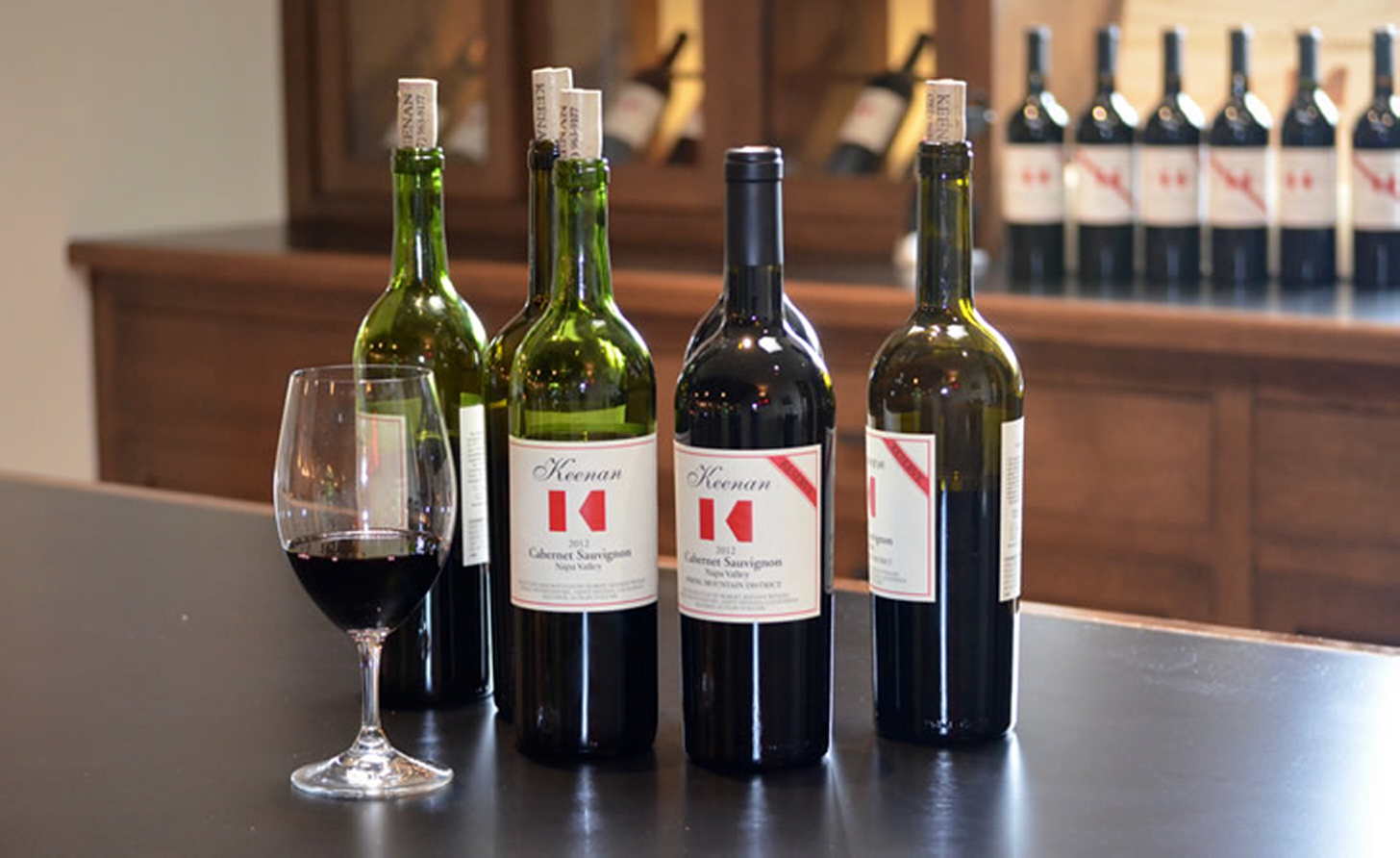
The Cabernet Sauvignon grape used to produce the drink is one of the most common grapes. The first place in the number of acres occupied is second only to Merlot. It is grown all over the world. Therefore, it is not surprising that this wine can be tasted in many countries: France, Chile, USA, Italy, South Africa. Even in Australia, there are vast areas planted with the famous variety. The grape is so unpretentious that it grows in the desert.
Drink overview
Taste
Cabernet is characterized by a bright, rich taste that combines a variety of shades. At first impression, it can be described as tart and "heavy".
The main note in the bouquet is black currant. Distinct shades of other dark berries: chokeberry, cherry, blueberry.
In addition to fruit, connoisseurs note woody, herbal, floral notes in combination with aromas of spices.
Aged wines are characterized by a smoky vanilla aftertaste. The alcohol content in them is high - from 13% and above.
Color and aroma
Cabernet Sauvignon is used to produce mainly red aged wines, with occasional rosé wines produced using clarification technologies.
The color of the drink at a "young" age is dark red with a transition to purple.
For the mature one, it is characterized by a thick pomegranate or dark ink shade with a tendency to black.
Such a rich palette is associated with the intense color of ripe fruits.
How and with what to serve
It is recommended to taste Cabernet chilled. Due to the intensity of the taste, it is not recommended to combine it with light dishes.
The best addition is meat of any kind: fried, smoked, fatty, stewed, baked game. Mushroom dishes are also good. A traditional cheese accompaniment is also allowed. Cabernet can be used as an ingredient for cocktails and hot alcoholic beverages.
But you should not serve the drink with chocolate: neither of them will benefit from such a combination.
"Young" wines are considered too viscous and sour - from the category of those that are "for amateurs", true gourmets prefer more interesting aged options.
Red dry Cabernet among consumers has received the proud title of "King of wines".
Producers and production features
The best raw materials for classic Cabernet are obtained in two regions: in the French territory near Bordeaux and in the California Napa Valley. The wines produced in these places are characterized by the richest flavor, which determines the high cost of finished drinks.
The traditional production process includes:
Pomace: the fruit is separated from the skins and crushed.
Maceration (infusion of the juice): takes about three weeks and allows the drink to develop its color, taste and aroma.
Fermentation (fermentation), thanks to which the juice turns into wine: this stage takes about 10 days. In the production of red wine, not only the juice is used, but also the pulp (grape seeds, skin and pulp), which gives it a rich color.
Aging in oak barrels, which allows the drink to acquire the same taste of a real expensive wine.
Filtration: includes decanting and cleaning from fruit residues.
Bottling: aged wine is poured into bottles and corked. In this form, it is stored for several more years until a softer bouquet is formed.
In addition to the classic version, there are various variants of Cabernet produced in other regions, taking into account local characteristics and traditions.
Sometimes different varieties of wine are mixed to create a drink with an original flavor (this is called blending). The name of the wine in different areas may also sound different. However, at its core, it is still the same good old Cabernet.
Update: 23.08.2018
Category: Wine and Vermouth