Kashasa: a guide to alcohol
About the drink
Kashasa - is a traditional strong alcohol, also known as Brazilian rum.
This drink is as important to Brazilians as vodka is to us.
According to legend, the invention of kashasa is the work of slaves who discovered a liquid in huge animal feeders that had an invigorating and cheering effect. This liquor was the first ancestor of cachaça, because cattle were fed mainly with sugar cane, from which the juice was subsequently extracted.
September 13 is the day of cachaça in Brazil
Cachaça is rum?
The main difference between cachaça and rum is that rum is usually made from molasses, a by-product of cane juice, while cachaça is made from fresh sugar cane juice, fermented and distilled.
How cachaça is made?
-
Harvesting sugar cane and extracting juice
The cane must be fully ripe, as unripe raw materials produce a poisonous liquid - methanol.
-
Fermentation
The porridge is fermented by interacting with natural yeast and bacteria, or by adding old mash. In industrial production, the drink is fermented under the influence of artificial catalysts.
-
Distillation
At its initial stage, the first fraction contains methanol, and at the end of distillation, the alcohol is not strong enough and has a yeast flavor. During distillation, the most valuable product is selected, and the first and last fractions are removed. According to the law, cachaça should contain ethyl alcohol in the amount of 34 - 54%.
How to drink cachaça?
-
Cheap cachaça is usually mixed in cocktails, the most famous of which is the caipirinha.
-
Kashasa in the above-average segment is worth trying neat, usually an aged version of alcohol.
-
Craft or, as it is also called, artisanal vodka should be drunk neat.

Types of cachaça
-
Fresh, unaged and pure
Bottled directly after distillation. Sometimes manufacturers experiment with the drink, aging it in barrels like cognac or whiskey, adding dyes or plant cultures.
-
Aged
Only cachaca that has been ripening in a wooden container for at least 1 year can have this status. If the aging period reaches 7 years, the alcohol is considered premium, 15 years - ultra-premium.
-
Tinted - yellow cachaca
Produced without aging by adding caramel or wood extract. It has a sweeter taste and aroma.
Who is artisanal and is it worth buying??
This is a local producer of cachaça using classical technology. Artisans practice adding corn flour, wheat bran, rice, soy and other ingredients to the original recipe of the drink.
This cachaca is usually very specific and that is why it is worth trying.
It is worth noting that the exports usually include industrially produced mash, which undoubtedly affects the quality of alcohol not in the best way.
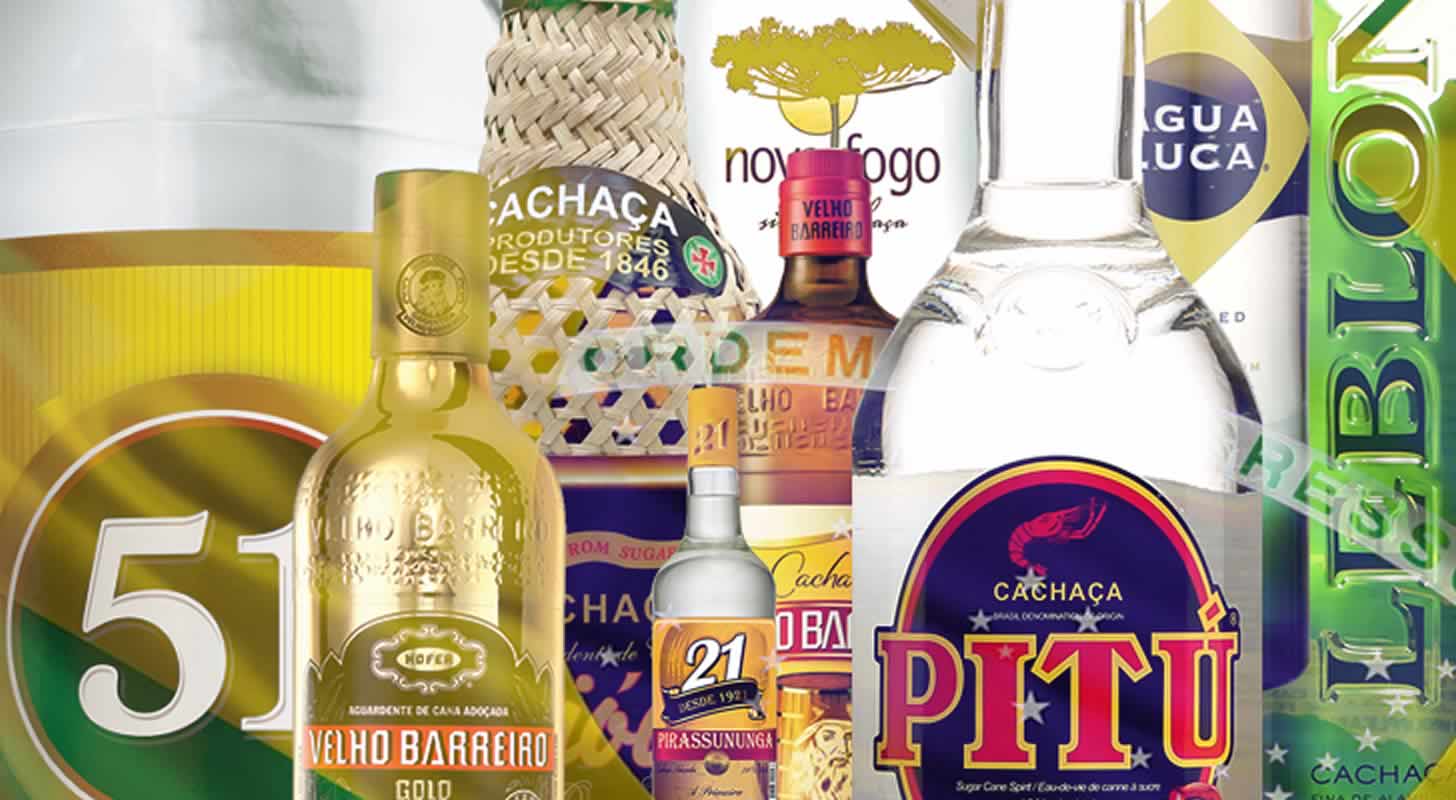
11 popular brands of cachaca
-
Pirassununga 51 Cachaca
Since 1543, the most popular distilled alcoholic beverage from Brazil (Santos, São Paulo).

-
Leblon Cachaca
Luxurious alcohol that captures the spirit of Brazil. The spirit received the gold medal "Top Cachaca" at the World Spirits Competition in San Francisco in 2007.
-
Pitu Brazilian Cachaca
Made from the juice of freshly cut sugar cane and spring water. Suitable for classic cocktails.
-
Ypioca Cachaca Gold
The drink has a rich golden amber color. Aroma of roasted nuts, cedar, honey and dried fruits. Mild flavor with a dry finish with notes of fruit and sweet vanilla beans, tobacco, raisins and spices. Finish with a long, sweet mineral and tobacco flavor. Very good.
-
Novo Fogo Silver Cachaca
Aged for one year in the rainforests of Brazil. It is characterized by banana and floral aromas that are closely combined with notes of sea salt and chocolate, creating a tropical sensation.
-
Agua Luca Cachaca
Produced from fresh sugar cane juice within 24 hours of harvesting using artisanal methods and traditions that have been perfected for over 450 years. Unique for its 12-fold distillation for a smooth and lively finish.
-
Novo Fogo Gold Cachaca
Brazil - handmade pot still, distilled and aged in small oak barrels for at least 2 years. Light honey color with toffee and vanilla aromas. Smooth texture of honey, cinnamon and fruit, followed by a lingering finish of oak and vanilla.
-
Velho Barreiro Cachaca
Excellent traditional cachaca from Velho Barreiro. It is obtained by double distillation of sugar cane juice, followed by aging in a large oak vat to enhance the complex flavors of the plant. Suitable for cocktails.
-
Ypioca Cachaca Crystal
Aged for one year in special Brazilian wooden barrels. This crystal-clear cachaca has a wonderful characteristic flavor and a beautiful bouquet.
-
Velho Barreiro Gold Cachaca
Twice distilled from pure cane juice and aged in a barrel made of Jequitiba Rosa (Cariniana legalis) wood, which gives it a delicate aroma and taste.
-
Pirassununga 21 Cachaca
Originally named Pirrassunga 21 to commemorate the year and place of origin, it is one of the oldest and most traditional brands on the market. Distilled from sugar cane juice (garapa). Indispensable for making the perfect caipirinha.


Interesting facts about cachaça
-
They do a lot
As of 2020, there are more than 40 thousand small cachaça producers in Brazil, in addition to large industrial production. This mass production is due to the fact that obtaining a distillate from fermented cane juice is a fairly easy process compared to processing other raw materials. Ample opportunities for alcohol production are also due to the massive cultivation of sugar cane.
-
Cane
Each region has its own varieties of cane, which are selected according to their ripening time, so that the raw material is available at any month of production.
-
Barrels for cachaça
Almost any local wood is used for their manufacture, 46 types in total: oak, chestnut, almond, fruit trees, etc.д.
-
Cachaça should only come from Brazil
Everything is logical, if you see another country, don't buy it.
-
Cachaça for $800
Someone bought an exclusive version of Cachaça Vale Verde for a lot of money and may not have lost.
Update: 30.11.2020
Category: Vodka an Moonshine