13 facts about beer for true connoisseurs

Not so long ago, all beer lovers' requirements were limited to the type of bottle it should be poured into: traditional or bowling pin-shaped. Now, finally, the era of the beer renaissance has come, and learning to choose between lager (beer with a low fermentation temperature), stout (from the English. stout (a beer made from burnt malt), Belgian (with the addition of rice, sugar, honey, fruit), red (with special malt) and other types of beer - means to expand the range of your knowledge.
Fortunately, beer is not the most expensive drink, but knowing a few little tricks can make it even more affordable. In addition, the following tips will help you to have a good understanding of the types of beer and feel completely at ease in a bar or store.
Ale and lager are types of beer, not varieties
Without going into biochemical details, we can say that the difference between ale and lager beer is yeast. Ale yeast, which ferments at higher temperatures, is known to give the drink bright fruity or spicy flavors. Lager yeast, fermented at cold temperatures, creates much finer, smoother, more complete flavors. Color, body and alcohol content have nothing to do with classification.

The four main ingredients of beer are malt, hops, yeast and water
Every ingredient plays a big role. Malt (usually barley, but sometimes with an admixture of rye, oats or other grains) gives beer the sugar needed for fermentation. Water (95% of which is in the final product) is the most important component, and before using it, you need to make sure that it does not contain anything that could affect the flavor or the fermentation process. Hops act as a preservative and provide a bitter aftertaste that balances the sweetness of beer and gives it beautiful flavors. Yeast actually combines all the ingredients, converting sugar into alcohol and creating beer.

In Germany, the process of beer production is regulated by a law called the Reinheitsgebot. According to this law, the ingredients remain the same as they were in the 1500s (although it is not always followed these days).
Beer contains other ingredients called additives or flavors
Wheat, oats, corn, rice, and sugar are always added to the wort to speed up the fermentation process and change the body of the beer. Many cheap varieties of this drink are produced using huge amounts of corn and rice to save on malt. Also, any ingredients are added to the beer, including spices that can change its flavor: coriander, sage, coffee, chocolate, milk, fruit, or honey.
The color of beer has nothing to do with its alcohol content
There is a huge misconception that dark beers are heavier than light beers. But the Belgian strong light golden ale Duvel with an alcohol content of 8.5% is much heavier than the dark stout Guinness Draught, which has only 4% alcohol.
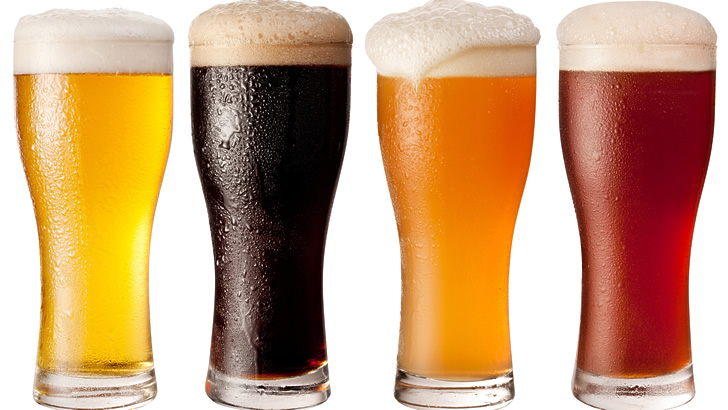
A small foamy head does not mean that the bartender wants to deceive you
Most people are frightened by the presence of foam, it seems to them that the bartender does not add beer to the glass. However, it is the most important component, as it helps you to feel the aroma of the drink more deeply before and after a sip, as well as the fullness of its taste. The ideal amount of foam varies from beer to beer, but a foam head height of 2.5 to 4 cm is suitable for most beers (especially wheat beers). And if foam used to scare you, now you realize what an important component of the drink it is.
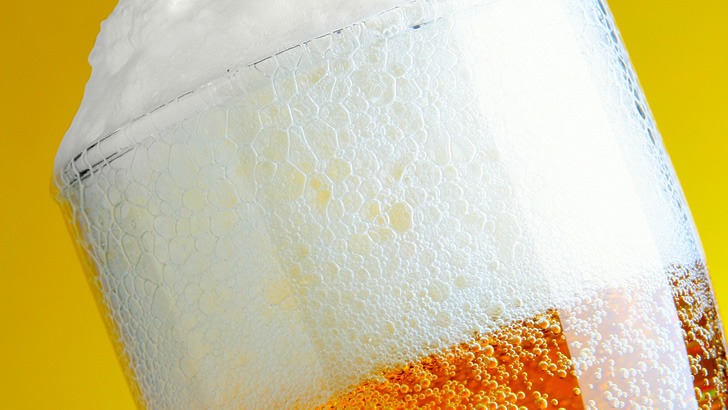
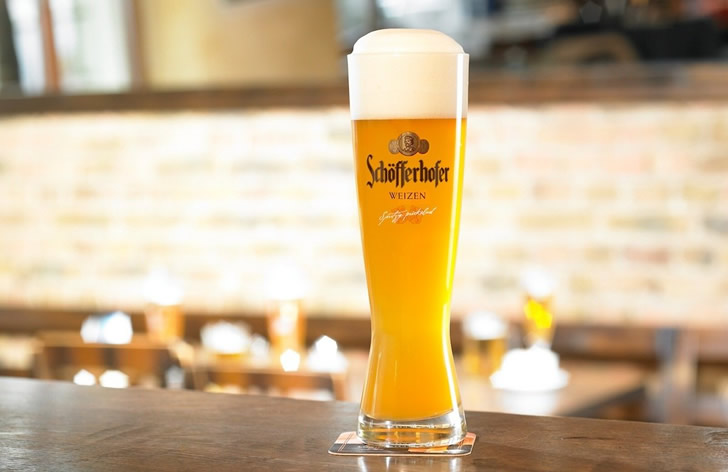
All Hefeweizen beers are made from wheat, but not all wheat beers are Hefeweizen
Knowing this difference will help you choose the beer that suits your taste. Hefeweizen is a German beer made with at least 50% wheat and a special Bavarian yeast strain that gives the drink the bubblegum, banana, and clove flavor that most people associate with wheat beer. Wheat beer is also made from wheat, but with different strains of yeast that don't always give it the clove flavors.
Hops from different parts of the world give the beer different flavors and aromas
Hops from North America give the beer a taste of citrus, grapefruit and pine resin; from Germany - floral, earthy and spicy aromas; Czech hops - herbal aroma, which is famous for local pilsners; from the UK - bitter and mild taste of earth and grass; from New Zealand and Australia - tropical aroma, especially passion fruit... Hops are like a huge cupboard with hundreds of spices on the shelves, mixing which you can give any dish the desired flavor.
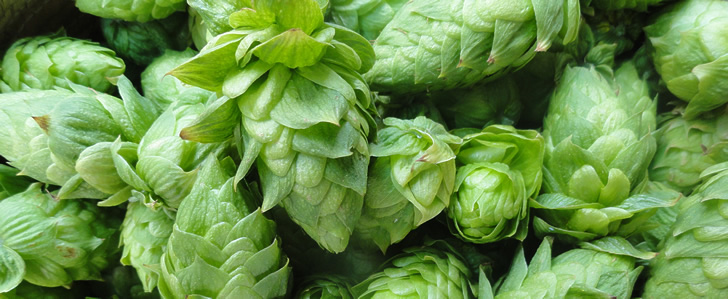
Sometimes hops are used only to add flavor to beer
Since the hop aroma evaporates quickly during brewing, brewers often add a lot of hops to the beer at the end of the process to make sure that its flavor is still part of the composition and not just adds bitterness. Some brewers add hops during fermentation to make beer more "dry".
Chilled glasses spoil the taste of beer
Drinking beer from chilled glasses or mugs is strongly discouraged. Ice crystals make the beer foam, and then the flavors and carbon dioxide evaporate before you take your first sip. Just for the sake of taking a few sips of a cold drink, you will lose all its beneficial properties.
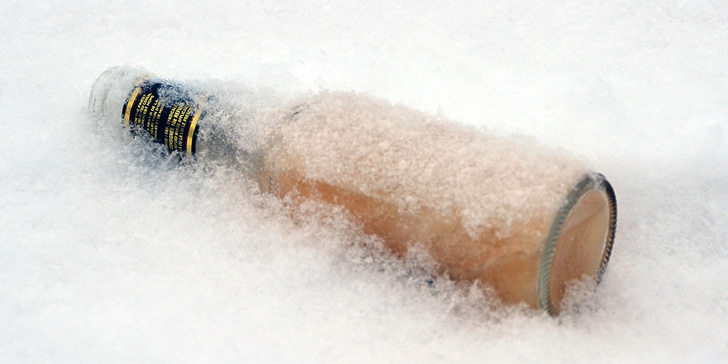
Remember: you should never store beer at temperatures below +10 degrees, as this kills almost all the flavors of the drink. If you want to drink a cold beer, dip the bottle or can in a vessel with a mixture of salt, water and ice for five minutes, meanwhile fill the glass with water and ice. After five minutes, pour the ice water out of the glass and pour the chilled beer into it. Then it will not foam.
Disappeared beer
Most people think that off-flavors are those that have lost their flavors, which is not entirely true. Beer disappears, as a rule, under the influence of rays of light penetrating the walls of transparent bottles, and it can be both sunlight and the light of fluorescent lamps in the refrigerator. Under their influence, repeated fermentation begins, tastes and aromas begin to change for the worse, and the smell of hydrogen sulfide appears. If the beer tastes like paper or cardboard, it's sour (probably due to improper storage).
Beer in cans is no worse than bottled beer
The fact that beer in cans spoils faster is a myth. In fact, it is stored in them even better, as the can does not transmit light, preserving beer better than brown glass. Cans weigh significantly less (compare the weight of bottle packaging and can packaging), are more shock-resistant and more recyclable.
You can't store beer for a long time
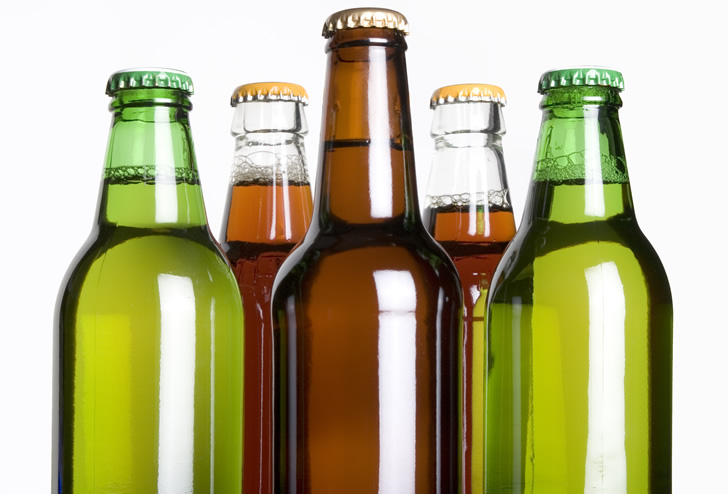
Saving beer for a special occasion is becoming a common practice, but it's important to do it right, as long-term storage can cause the aroma and bitterness of hops to be lost very quickly. Only beer with a high alcohol content can be stored, bottles should be kept upright at a temperature of about +10 degrees in a dimly lit place.
Drink the beer you like, not the one that is fashionable
Oddly enough, people usually forget this simple and, in my opinion, the most important rule when they find themselves in a fun company in a bar. Over the past hundred years, there have been many discoveries in the production of beer, an incredible number of new varieties have appeared, however, you should always trust your taste more than the advice of people around you.
Update: 07.11.2015
Category: Beer, Cider, Ale