13 famous absinthe drinkers
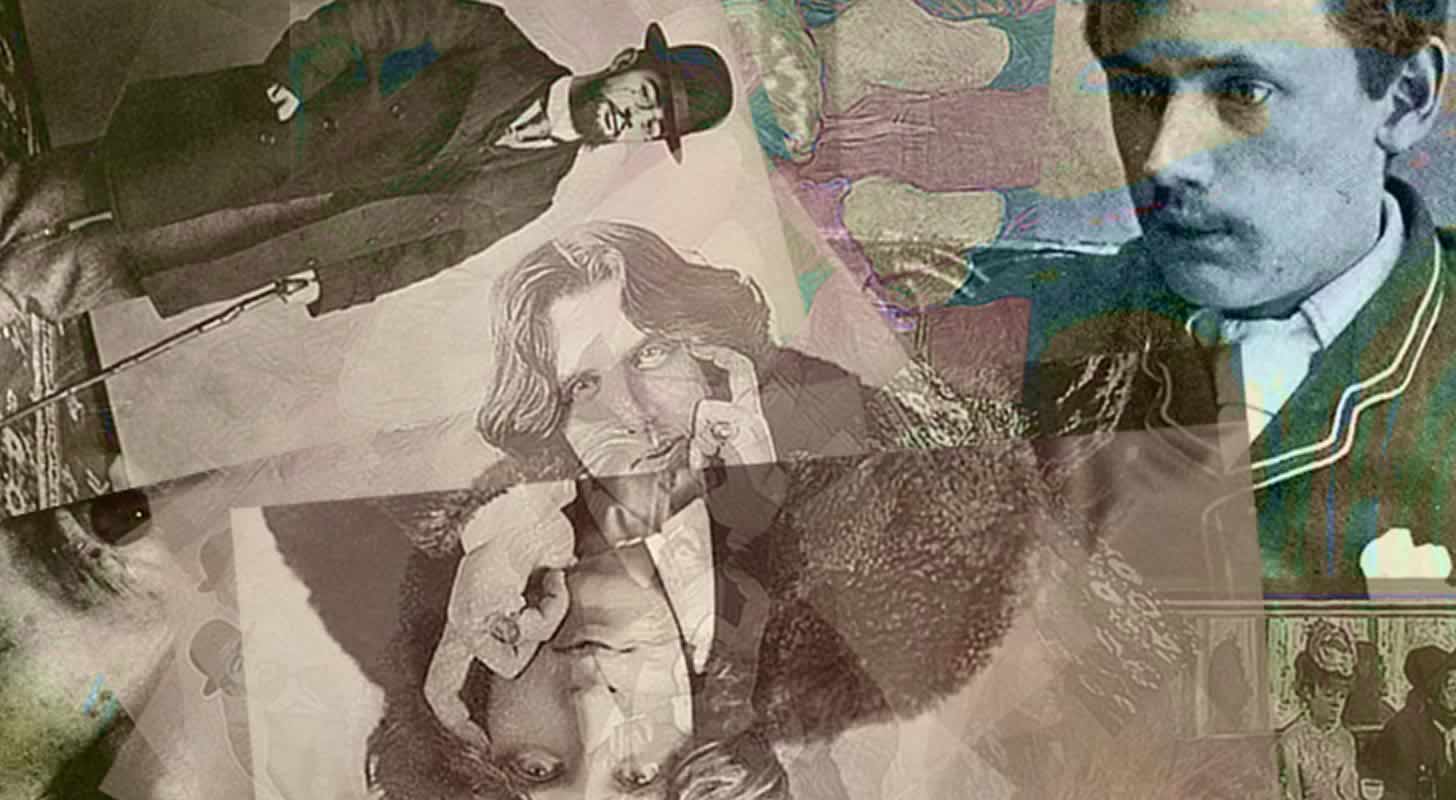
Many famous writers and artists were regular absinthe drinkers. Whether absinthe helped anyone in their work is a rhetorical question, but for many it had the exact opposite effect.
The fact remains that all the people on Vzboltai's list have achieved worldwide recognition in art and culture.
Édouard Manet, 1832-1883
In 1859, Manet created the first painting under the influence of absinthe. The painting was called "The Absinthe Drinker", the work provoked a scandal and the selection committee refused to hang it on display.
At the time, society was excited about absinthe, this portrait of a swaggering, dandy drunkard (Manet's actual friend) offended dignitaries.

The elite were used to seeing drunkards as miserable, oppressed scoundrels.
The pride and vitality of the person depicted frightened them. The committee attacked the painting for its "vulgar realism". And it was not an isolated criticism.
Edgar Degas (Edgar Degas) 1834-1917
The famous artist immortalized absinthe in his 1876 painting L'Absinthe, which depicts a man and a woman sitting in a cafe - their faces are blank and their eyes are glassy.

Under the original title "Sketch of a French Cafe", the painting was not well received.
But when it was exhibited in the Grafton Gallery under a new name, it caused a huge controversy, provoking a diplomatic incident that spoiled Anglo-French relations.
Charles Cros 1842-1888
Cro is considered the inventor of the phonograph, a device he called the "Paréophone".
But, lacking financial resources, he was unable to patent his device before Thomas Edison and others developed the idea and began production.

The inventor is also known for developing certain processes of color photography and the automatic telegraph.
How Cros managed to come up with these inventions remains a mystery, according to rumors, he often visited some of the most famous coffee shops in Paris and drank up to twenty servings of absinthe a day!
True or not, he also wrote some great poetry and was apparently a great inventor.
Paul-Marie Verlaine 1844-1902
Verlaine sang the praises of absinthe in his youth and cursed it on his deathbed.
While drinking, he talked to prostitutes and men.
To the horror of his young wife, for a time the younger poet Rimbaud was his constant companion, both platonically and sexually.

A tumultuous relationship with Rimbaud eventually led to Verlaine's imprisonment after he shot Rimbaud twice, once in the wrist.
Verlaine spent the last years of his life in a slum degraded by poverty, drug addiction and alcoholism.
August Strindberg 1849-1912
Swedish playwright, novelist and short story writer.
Combined psychology and naturalism in a new European drama that became the expressionist drama.
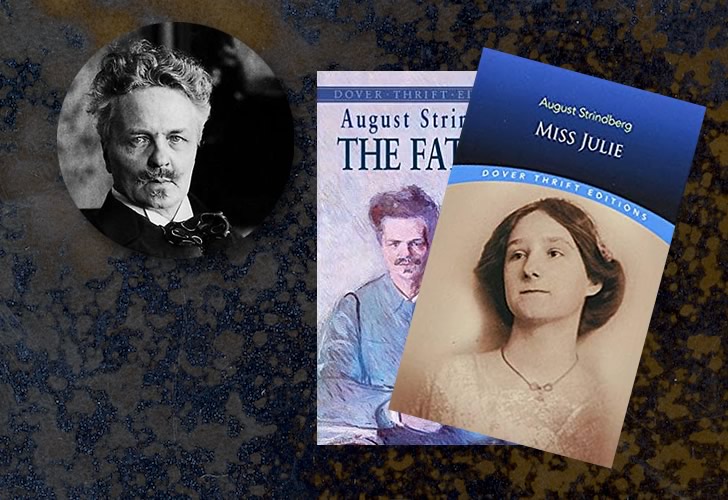
His play Miss Julie (1888) remains today the most concentrated example of the first step in the development of modern drama, because it shattered old illusions about the meaning and value of human existence, as well as 19th-century assumptions about how existence could be represented in the theater.
During his stay in Paris in the 1880s, he encountered absinthe like everyone else in France at the time.
Absinthe is mentioned in several works by the author of.
Vincent Van Gogh 1853 - 1890
The famous artist suffered from a hereditary mental illness for most of his life.
It is believed that absinthe was a catalyst in his mental state. But, the impact of absinthe on his work and behavior is virtually unknown.
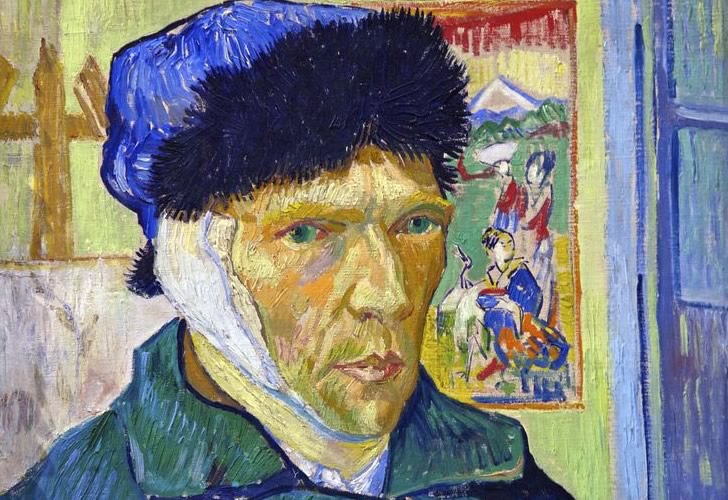
Most researchers agree that he was a heavy drinker, addicted to a number of substances, even paint thinner.
He may also have been a victim of digitalis poisoning, which was a common treatment for epilepsy at the time.
This explains the special style of light transmission in Van Gogh's paintings (the method of treating epilepsy could lead to the patient becoming hypersensitive to light).
It is known that the psychosis suffered by Van Gogh is more consistent with acute alcoholism than "of absenteeism".
Oscar Wilde 1854-1900
Known for his outlandish wit and scandalous lifestyle, Wilde was a great aesthete who glorified beauty for beauty's sake in a series of brilliant plays, poems, fairy tales and essays.
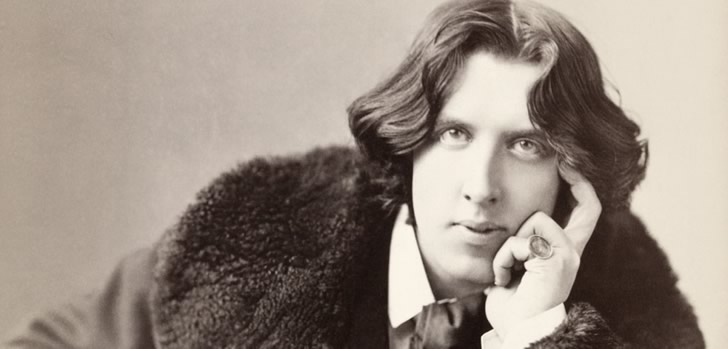
In his only novel, The Portrait of Dorian Gray, a young man is spoiled by sensual indulgence and moral indifference.
Wilde's lifestyle became too outrageous for the Victorians' feelings, and in 1895 he was imprisoned for homosexual relations with Lord Alfred Douglas.
Two great poems, "The Ballad of Reading in Prison" and "De Profundis", were inspired by his prison experience.
Oscar Wilde is often remembered as an avid absinthe drinker. However, there is no reliable evidence that he drank much absinthe.
No references to absinthe can be found in any of his works or letters. Famous quotes about absinthe, often attributed to Wilde, were written by other authors who supposedly "quote" Wilde.
Arthur Rimbaud 1854-1891

French poet and adventurer who gained popularity among the Symbolist movement and significantly influenced modern poetry.
Edvard Munch 1863-1944
Norwegian symbolist painter and forerunner of expressionist art.
Munch's most famous painting is undoubtedly "The Scream".
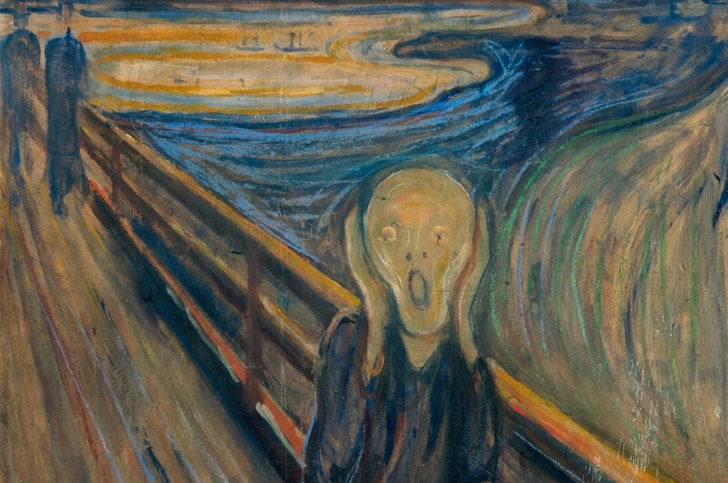
Munch studied art with the Norwegian Christian Krog. While living in Oslo, or Christiania as it was known at the time, Munch was a close friend of the Bohemian Hans Jaeger, who greatly influenced his thinking and art. The two of them spent many nights in cafes drinking absinthe.
Henri de Toulouse-Lautrec 1864-1901
In his late teens, Lautrec was honored to become a student of the artist Fernand Cormon in Paris, whose studio was located on a hill above the city of Montmartre.
When he finished his studies with Cormon, Lautrec devoted himself entirely to the bohemian life, spending most of his time drinking and eating. He was constantly painting in cabarets, race tracks, and brothels.

Henri's short stature caused him ridicule and contempt, because of this he could not experience the physical pleasures offered in Montmartre, it became his grief, which he drowned in alcohol...
At first it was beer and wine. Then brandy, whiskey, and absinthe.
Ernest Dowson 1867-1900
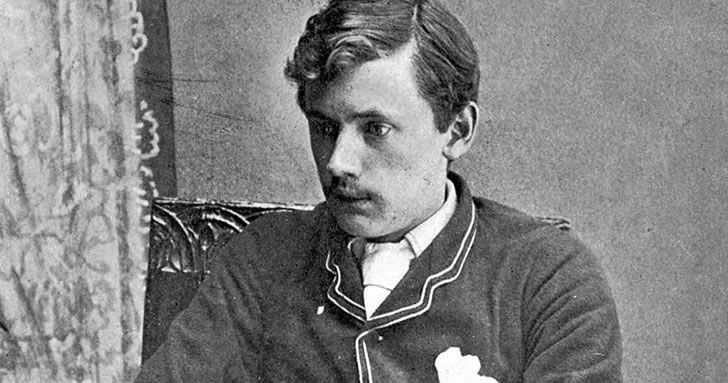
Dawson was a writer of novels and short stories. He was one of the most famous "decadents", and certainly absinthe drinkers of his period.
Oscar Wilde is known to have commented on Dowson's heavy absinthe use, stating that if Dowson did not drink absinthe, he simply would not be Dowson ...
Ernest Dawson died at the very young age of 32, largely due to his alcoholism.
His father and mother had died only a few years earlier, and the grief of losing both parents was very difficult for Dowson.
Alfred Jarry 1873-1907
French playwright and satirist who is mostly known as the creator of the grotesque and wild satirical farce Ubu Roi, written in 1896 (also King Ubu), which was a precursor to the Theatre of the Absurd.
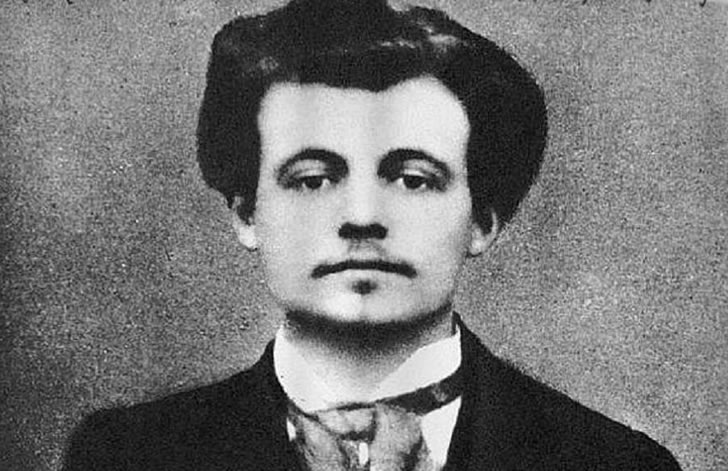
Alfred Jarry wrote in a variety of styles, and his works include plays, novels, poems, and journalism.
He was known in Parisian coffee shops for drinking heavily, and it is rumored that a couple of bottles of wine and 5-10 absinthe, which he called the "Green Goddess," were commonplace for him.
There is also a legend that says that he once painted his face green and rode a bicycle through the city in honor of absinthe.
Ernest Hemingway, 1899-1961

The most famous absinthe lover to a wide range of people.
In his book "Death in the Afternoon", he wrote the following words: "As I grew older, it became more and more difficult to go into the ring without drinking three or four absinthe, which, while inflaming my courage, upset my reflexes somewhat". Also in his novel "For Whom the Bell Tolls" Hemingway gave the main character Robert Jordan the habit of drinking absinthe in the evenings in the peculiar way shown above.
In the novel The Garden of Eden, Hemingway recommends putting a glass of ice on top of a glass of absinthe with a small hole in the bottom so that the water drips down gradually.
The writer even invented the Death in the Afternoon cocktail for a collection of celebrity favorite drinks. "Pour one shot of absinthe into a champagne glass. Add ice-cold champagne, shake a little until it reaches opalescent haze. Drink slowly from three to five glasses of this cocktail".
Hemingway was a big "fan" of the drink, he drank absinthe long before it was banned.
Hemingway also visited Cuba several times, where absinthe was also produced, and it is more than likely that he brought the forbidden bottles with him to Florida.
Hemingway committed suicide in 1961.
Update: 06.10.2019
Category: Absinthe