Types of port wine - the most complete classification
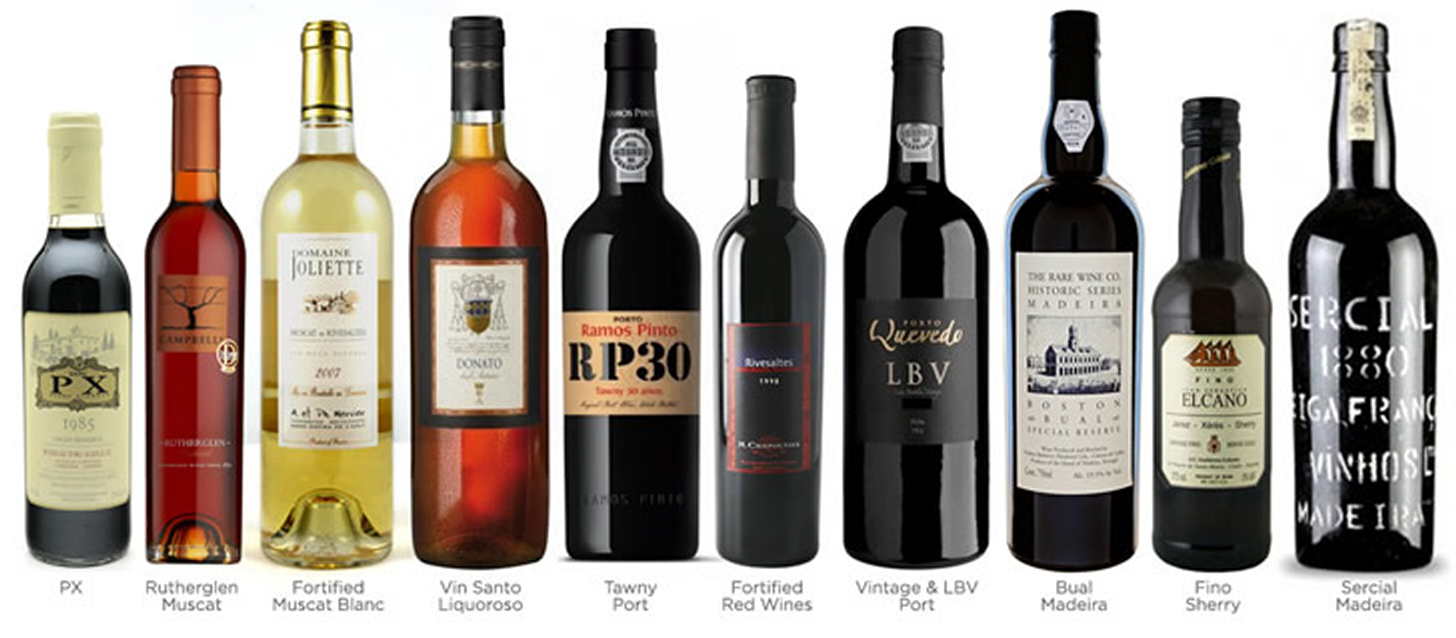
The classification of fortified Portuguese wines from the banks of the Douro River, known throughout the world as port or, more simply, port, for all its apparent simplicity, is very multifaceted...
How corcotto port is made
At first, the future port is aged for two to three years in huge wooden vats. Then the master winemakers decide which category the result should be assigned to.
As a result, the wine that is available either continues to mature in relatively small oak barrels that provide access to sufficient oxygen, or goes to grow up in hermetically sealed bottles.
At the same time, red grape varieties are mostly used for the production of both types of drink, although if you try hard enough, you can find white varieties.
Port wine that matures in barrels
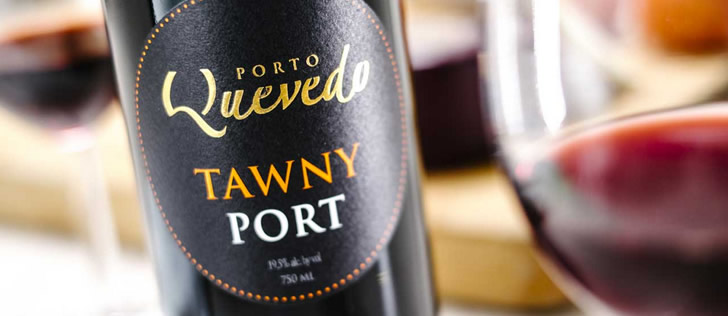
Tawny (yellow-brown - English.)
Port wine that has undergone two to four years of additional aging. One of the most popular varieties of the drink.
It has different shades of amber-brown color and nutty notes in the taste.
At the same time, the required flavor and color are often achieved with the help of semi-permitted vinification techniques and the addition of white grape port to the blend.
Tawny Reserve.)
A beverage that has spent six to nine years in barrels, which must be indicated on the label.
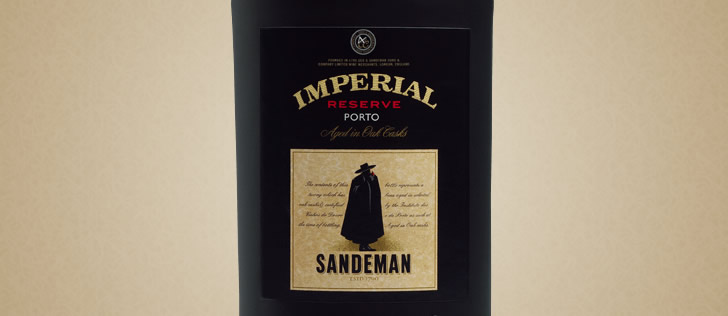
Aged Tawny (aged tawny - English.)
Port, whose aging period is measured in decades.
Divided into 10-year, 20-year, 30-year and 40-year.
The age of such a drink is necessarily indicated on the bottle.
At the same time, it can be somewhat subjective, since it is not the age of the main wine in the blend, but the master winemaker's idea of the quality of a particular drink.
According to the general opinion, this type of port should be consumed immediately after purchase, as a long stay in the bottle can negatively affect its organoleptic properties.

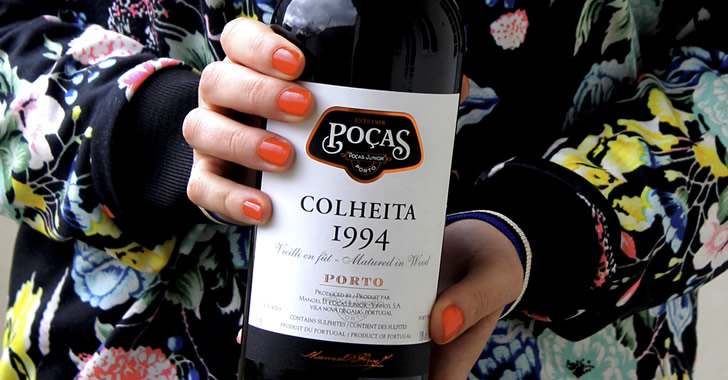
Colheita (harvested - port.) or Old Tawny (old tawny - English.)
Wine (less often - a blend of wines) of the same vintage. Determined by the end of the first ten years spent in barrel.
If the outstanding qualities of the contents of the container are not in doubt, the drink continues to grow up under the special care of experts.
This port has a golden amber color and a more refined taste.
Bottles with the Colheita label must indicate the year of harvest and the date of bottling.
Garrafeira (bottled - port.)
A kind of intermediate variant between port wines that mature in barrels and mature in bottles.
After seven years in the barrel, such a drink is placed in special large dark glass bottles without blending.
It matures there for at least eight years, after which it is bottled in standard bottles and put on sale.
The labels of such wine indicate the year of harvest and the date of bottling.
In addition, to produce Garrafeira, the winemaker must receive a special "blessing" from the Douro and Porto Wine Institute (IVDP), a government agency that determines the standardization and export volumes of port wine.

Port wine that matures in bottles
Ruby (red or ruby - English.)
Three-year-old fresh bottled wine with a sharp fruity flavor. Recommended for immediate consumption.

Ruby Reserve (Red selected - English.)
The same low-aged port wine as port ruby, but made from higher quality grape varieties.
Hence, a softer and richer initial taste and the ability to hold the wine in the hope of further maturation.

Branco (white - port., aka White - English.)
Produced on the principle of Ruby but from white grapes.
In general, it is somewhat inferior to its red counterpart in terms of organolepticism, but, unlike the latter, it has an official gradation in sugar content: from extra-dry to liqueur (Lágrima - port tear).).
The presence of the Reserve mark on a bottle of young white port wine implies the addition of a certain amount of more aged wine.

Rose (pink - port.)
It is produced using a simplified technology with a preliminary period of aging in barrels not exceeding two to three months.
It is used mainly in youth cocktails.

Crusted (with sediment - English.)
An unfiltered red blend that has been maturing in bottles for three or more years before being sold.
Its label indicates only the year of bottling. Has a good potential for further maturation.

Vintage
The same legendary best port wine; an elite unfiltered single-vintage drink that usually spends 15 to 50 years in bottles.
To declare a vintage year, a consensus of the nine largest port producers and the official approval of the IRDP is required.
Most of the vintage port spends about two years in barrels beforehand, is sold immediately after bottling and continues to mature in the bins of its lucky owners (the latter are mainly large wine traders).

Single Quinta Vintage (Vintage of one farm - English.)
A special case of vintage obtained in a non-vintage year.
The bottles of this kind of drinks must indicate the farm (kinta) where the grapes were grown.
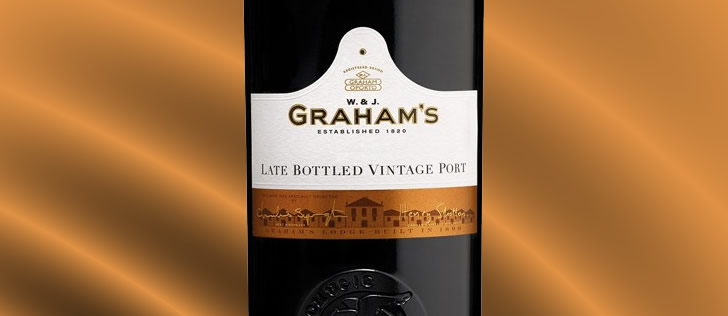
Late Bottled Vintage.)
Very expensive port, which includes several varieties of products of winemakers from the banks of the Douro River.
First of all: These are wines that in the vintage year fell just a little short of the maximum standards.
Secondly: truly vintage drinks, kept in barrels so as not to overload the market (they are also unofficially called Baby Vintage). LBV style drinks are aged for up to six years in large oak tanks, and then, for another three years - in ordinary bottles.
After that, this port goes on sale. The labels of such wines indicate both the year of harvest and the year of bottling.
It is noteworthy that before bottling, LBV can either be filtered or remain unfiltered (Unfiltered - English). or Não filtrado - port.).
The first option, ready to drink from the beginning, is softer and more delicate.
The second has great potential for further development in the bottle, intended for lovers of original rich wines.
Now you know all the types of port wine and can easily find your perfect drink.
Tips for Choosing a port wine in a store.
Update: 26.06.2017
Category: Wine and Vermouth