Riesling wine: what is it, an overview of types and features

Riesling - this wine is made from the grape variety of the same name. Grown in Germany, Austria and northern France, this variety is one of the three most famous varieties of white wines. Yes, the Germans are known as the "nation of brewers". But this does not prevent them from producing excellent wines.
All shades of the sun
A distinctive feature of Riesling grapes is its unpretentiousness. Its vines feel great in the cold lands of Germany and are able to bear fruit even in the harshest conditions. Experts also note the versatility of its flavors. Depending on the time of harvesting and storage conditions, the winemaker can produce wine of both dry and sweet varieties.
An important feature of Riesling grapes is its high acidity. As a result, a drink made from late-harvested berries gets a unique combination of sweetness and sourness, which creates a special, refreshing taste.
As for the wine itself, the Germans themselves divide Riesling into the following categories:
Kabinett - the driest variety. Berries of the first harvest, which often have not reached maturity, are used for it.
Spätlese - more mature grapes are harvested for this variety.
Auslese - the third variety. Fruits that have reached full maturity are used here.
Beerenauslese - the next step. For it, overripe grapes are selected that have begun to fade and have begun to wither.
Eiswein - semi-sweet wine made from late harvested berries. The raw materials for it begin to be harvested in late autumn.
Trockenbeerenauslese (aka TBA) - a dessert wine for which only wilted or moldy berries are chosen.
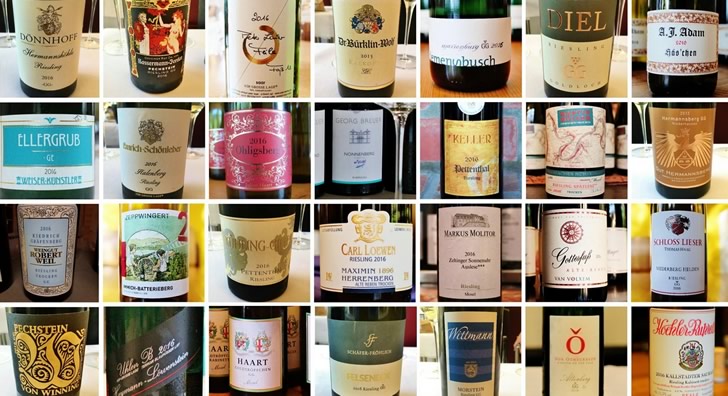
When choosing Riesling, you should pay attention to the labeling. The presence of the "QmP" (Qualitätswein mit Prädikat) mark on the bottles of German brands means "wine of the highest quality". For French producers, the best recommendation is the "VDP" label, a trade mark of the association of owners of the best vineyards. Austrian brands are marked with the green lizard icon.
Nordic wine for true gourmets
A unique feature of Riesling is an incredible variety of flavors and aromas. The time of harvesting and aging play a key role here. Thus, young wines will delight their tasters with the aromas of freshly cut grass, ripe fruit or wildflowers. More aged varieties show notes of honey, wax or dried fruit.
But the most popular "Riesling" is made by the "oil" flavors of vintage varieties. Kerosene, tar, rubber. Not the most appetizing odors that can put an end to the career of any drink. But for Germans, this smell is a source of pride. There is even a special term "firn" ("melted snow"). It is used to smooth out unpleasant associations associated with "oil" analogies.
An important point is the "petroleum" aroma, which is the hallmark of European Riesling. Wines made in America or New Zealand do not have this feature.
The taste of the drink also strongly depends on the time of collection. The later the harvest, the sweeter the drink. But even dessert varieties are characterized by refreshing sourness. Also, the taste of young wines has a pronounced herbal flavor. Aged varieties will greet you with the taste of juicy fruit.
Features of use
The company for Riesling is selected depending on its variety. Dry and semi-dry versions are best served with hot meat dishes. Wine is perfect with game, roast or barbecue.
If fish or seafood is expected for dinner, we recommend choosing Austrian Riesling. Unlike the German version, it is slightly salty, which will add some piquancy to the feast.
An interesting fact - dry Riesling fits perfectly into almost any cuisine. The main condition is that the food should be spicy or spicy. Thus, this wine is a great option for many dishes of Far Eastern, Chinese or Indian cuisine.
Semi-sweet and sweet varieties are best suited for dessert wines. The perfect company for them is a set of sweet pastries or a fruit plate.
But aged Rieslings require a special approach. Most gourmets prefer to drink them separately, but if you want to serve something with it, opt for cheesecake or vanilla pudding. However, some originals believe that the best match for them is creamy ice cream.
Conclusion
Riesling is not a wine for everyone. Some will be scared off by excessive dryness, others by the "oil" smell of noble varieties. But if you can find your own variety, then love for it will remain for many years.
Sweet and semi-sweet varieties of German brands also make a great gift. They combine traditional quality, unique taste and aristocratic bottle design. Such a drink will perfectly decorate a home or office bar, and add extra prestige points to its owner.
Update: 10.09.2018
Category: Wine and Vermouth