Tequila: what you need to know, history, production process, classification, how to choose and storage conditions

Tequila - This is a strong Mexican distillate from the fermented juice of the blue agave (not to be confused with cactus), which is protected at the place of production.
Tequila classification consists of six types: silver, gold, blanco, reposado, añejo and extra añejo.
Tequila is available in a wide range of colors: from a simple pure distilled drink to a dark amber brown. The color of tequila is highly dependent on the aging process and the type of wood used for storage.
All authentic, regulated tequilas have a NOM identifier on the bottle.
What you need to know about tequila
How many degrees in tequila
From 35 to 55%. For the United States at the legislative level, 40%.
Where it is produced
Mexican laws state that tequila can be produced only in the state of Jalisco and limited municipalities in the states of Guanajuato, Michoacán, Nayarit and Tamaulipas.
Tequila is recognized as a Mexican drink by origin in more than 40 countries.
Tequila or mezcal
Tequila is a type of mezcal. The production industries of these two drinks may overlap, but in the case of mezcal, everything is more liberal.
The difference is that tequila should only use blue agave plants, not agave of any type, as is the case with mezcal.
What is it made of
Real tequila is made from 100% blue agave juice, hand-picked from plantations in Mexico.
More than 300 million blue agave plants are harvested annually.
Interestingly, agave grows differently depending on the region. Blue agaves grown in the highland region of Los Altos are larger in size and have a sweeter flavor and aroma.
Agaves harvested in the lowlands have a more herbal aroma and flavor.
Chemistry and tequila
Tequila contains more than 300 different chemical compounds, many of which are produced during the fermentation of the raw materials used and, to a lesser extent, during maturation.
The components that make up tequila do not act individually to give tequila its characteristic flavor and aroma, but rather depend on the interaction of each of the volatile compounds and their amounts.
The volatile compounds responsible for the flavor and aroma characteristics of tequila belong to a category called organoleptic compounds, and are known to increase in concentration with a slower fermentation process.
Tequila and salt
Tequila is usually served neat in Mexico, while in the rest of the world it is customary to drink it with salt and lime.
It is believed that the tradition of drinking tequila with salt and lime appeared in connection with the flu epidemic. At that time, people believed that such prevention helped fight the disease, which, of course, was a fake.
There are also at least 9 ways to drink tequila Otherwise.
History of tequila
15th century:
The fermented agave drink is known to have been consumed in pre-Columbian central Mexico before European contact. When the Spanish conquistadors ran out of their own brandy, they began distilling agave to produce one of North America's first indigenous alcoholic beverages.16th century:
First mention of tequila production near the city of the same name, which did not exist officially until 1666.
1600:
Marquis of Altamira, Don Pedro Sánchez de Tagle, begins mass production of tequila at the first plant in what is now Jalisco.1608:
The colonial governor of Nueva Galicia began taxing its products. King Carlos IV of Spain grants the Cuervo family the first license to commercially produce tequila.1884-1885:
Don Senobio Sauza founds Sauza Tequila and becomes president of the municipality of Tequila. He was also the first to export tequila to the United States and shortened the name from "Tequila Extract" to simply "Tequila" for the American market.1936-1948:
The Margarita cocktail is invented.1997:
Tequila, as a product, is protected by origin in the countries of the European Union.The drink is also protected through NAFTA in Canada and the United States, and through bilateral agreements with individual countries such as Japan and Israel.
2003:
The Mexican government declared that bottled tequila in Mexico guarantees its quality. Spirits companies in the United States claimed that Mexico simply wanted to create bottling jobs in their country, and that the rule would violate international trade agreements and go against normal export practices around the world.2004:
It is decided to allow flavored tequila to be called "tequila", with the exception of 100% agave tequila, which still cannot be flavored.17.01.2006:
The United States and Mexico have signed an agreement allowing the continued massive import of tequila into the United States. The agreement also created a "tequila bottle registry" to identify approved tequila producers, as well as an agency to monitor the registry.2006:
A new Norma Oficial Mexicana (NOM) for tequila has been issued (NOM-006-SCFI-2005). Among other changes, a class of tequila called extra añejo or "ultra-aged" was introduced, which must be aged for at least three years.
2006:
One liter bottle of premium limited edition tequila was sold by Tequila Ley for $225,000.2012:
The latest version of the tequila standard (NOM-006-SCFI-2012), which states that silver grade tequila cannot contain additives and labels must show the "aging time" of the ultra-aged grade.2013:
The ban on imports of premium tequila (100% blue agave) to China was lifted after President Xi Jinping's state visit to Mexico.Although some tequila production remains family-owned, most well-known brands are owned by large multinationals.
However, more than 100 distilleries produce more than 900 brands of tequila in Mexico according to 2009 statistics.
The process of tequila production
Until now, the planting, care and harvesting of blue agave remains a manual labor, relying on people called jimadores. They have a good understanding of how the plants should be cultivated, and their experience is literally passed down from generation to generation.
By regularly cutting off the several meters high stems that grow from the center of the plant, the jimadors prevent early flowering and death of the agave, allowing it to fully mature.
Jimadores must be able to tell when each plant is ready to be harvested and use a special knife called a quiotes (with a round blade on a long pole) to carefully cut the leaves from the piña (the juicy core of the plant).

If harvested too late or too early, the piña, which can weigh on average 70 kg in the lowlands and up to 110 kg in the highlands, will not have the right amount of carbohydrates for fermentation.
After harvesting, the piñas are sent to ovens where they are slowly baked to break down their complex fructans for simple fructoses.

The baked piñas are then crushed or ground under a large stone wheel called a tahona [taˈona]. This treatment results in a by-product, fiber, which is often used as compost, animal feed, recycled into paper, or burned as fuel.
Some manufacturers add small amounts of fiber back into their fermentation vats to enhance the agave flavor in the final product.

The extracted agave juice is then poured into large wooden or stainless steel vats for several days to ferment, resulting in a low-alcohol wort, or mosto [ˈmosto].
The wort is distilled once to produce the so-called "ordinario [oɾðiˈnaɾjo]" and then a second time to produce the clear "silver" tequila. According to the law, at least two distillations are required.
Some producers, such as Casa Noble and Corzo, experimented with distilling the product a third time, but it did not become a trend, and was said to remove too much flavor from Tequila.
Then the tequila is either bottled as silver tequila or pumped into wooden barrels, where it "ages" and acquires a milder taste and amber color.
Fermentation of tequila
Unlike other stages of tequila production, fermentation is one of the few steps that humans cannot control.
Fermentation is the conversion of sugars and carbohydrates into alcohol by yeast under anaerobic conditions, which means no oxygen is present in the process. Fermentation is also carried out in a non-aseptic environment, which increases the bacterial activity of tequila. The participation of microorganisms from the environment (yeast and bacteria) makes fermentation a spontaneous process that produces many by-products that contribute to the taste and flavor of tequila.
During the fermentation process inoculum added to the batch to accelerate the fermentation rate.
With the addition of inoculum, fermentation can take from 20 hours to 3 days.
If no inoculum is added, fermentation can take up to 7 days.
The speed of fermentation is a key factor in the quality and flavor of the tequila produced. Slowly fermented musts are better because the amount of organoleptic compounds produced is greater. The alcohol content at the end of fermentation is 4-9%.

Organoleptic compounds in tequila
Organoleptic compounds enhance flavor and aroma. These include: fusel oil, methanol, aldehydes, organic acids and esters.
The production of isoamyl and isobutyl alcohols begins after a significant decrease in sugar levels and continues for several hours after the end of alcoholic fermentation.
Ethanol production starts in the first hours of fermentation and ends with the growth of the logarithmic yeast.
Three factors influence the alcohol content of tequila:
Amount of isoamyl alcohol and isobutanol in the yeast strain.
The ratio of carbon to nitrogen (the higher the ratio, the more alcohol is produced).
Fermentation temperature.
The higher the temperature, the higher the concentration of isobutyl and isoamyl alcohols. Although, if the temperature is too high, it can cause the yeast to become less effective.
Similarly, if the temperature is too low, the process is too slow.
Yeast and tequila quality
Organoleptic compounds depend on the yeast. The role of the yeast is to convert sugar and carbohydrates into alcohol through many enzymatic processes.
Manufacturers use two types of yeast:
Natural. Under aerobic conditions, the yeast doubles in colony size every four hours. This process lasts 24-48 hours. The yeast then converts acetaldehyde to ethyl alcohol, which is known as one of the organoleptic compounds produced during the fermentation process.
Commercial brewer's yeast derived from pre-cultivated existing yeast and yeast that has been saved from previous batches of the beverage. Naturally, the use of different types of yeast can lead to different end products, which will greatly affect the taste and flavor of tequila.
Tequila classification
The simplest and most obvious typification of tequila is based on the amount of deep agave distillate contained in the drink. In this case, we are dealing with only two varieties of it.
Tequila 100% Blue Agave
Drinks in this category should not contain anything other than agave distillate.
They can be produced and bottled only in five Mexican states: Jalisco, Michoacán, Guanajuato, Nayarit and Tamaulipas.
Bottles of this high-grade alcohol will definitely have labels with the inscription: "Tequila 100% puro de agave" or simply "Tequila 100% de agave".

Tequila Mixto
This category includes drinks containing from 99 to 51% of distilled blue agave juice.
The remaining 1-49% are cane or even corn distillates, as well as various kinds of dyes and flavors: oak extract, caramel, sugar syrup, glycerin, vanilla, etc.д.
Since 2006, this type of tequila can be bottled (but not produced)!) outside the above regions; moreover, not only in Mexico itself, but also in any other country in the world.
Bottles of such alcohol are labeled with the lapidary inscription "Tequila".

Tequila by aging period
The production technology of the famous drink in many cases involves aging in special barrels. These barrels are made of American oak, less often of French oak. Some beverage producers especially value containers that used to contain wine, cognac, whiskey or bourbon.
However, there is another extreme. To avoid excessive evaporation of the distillate, crafty tequilaeuros can use wooden barrels only at the first stage of aging; after that, future elite drinks are transferred to unpretentious stainless steel containers.
Based on the quality associated with the aging factor or lack thereof, tequila can be divided into 6 categories.
Tequila Silver
Mostly a bad, unaged drink like Mixto, which usually contains flavors, and the share of foreign alcohols usually reaches 49%.
As an exception to the rule, experts point to the brand "Legenda del Milagro Silver", which looks very decent against the background of its counterparts.
Tequila Gold or Oro, Joven (golden or young tequila)
This type also includes Mixto drinks that have not been barreled.
The lack of aging is conditionally compensated here by the presence of the above-mentioned colorants, the amount of which should not exceed 1% of the total volume of the liquid.
The most acceptable representative of this category, according to Vzboltai, is the well-known "Sauza Gold".
However, there are exceptions to this rule. According to knowledgeable people, a blend consisting of unaged one hundred percent agave and a small amount of aged agave distillate can sometimes be sold under the name "Gold".
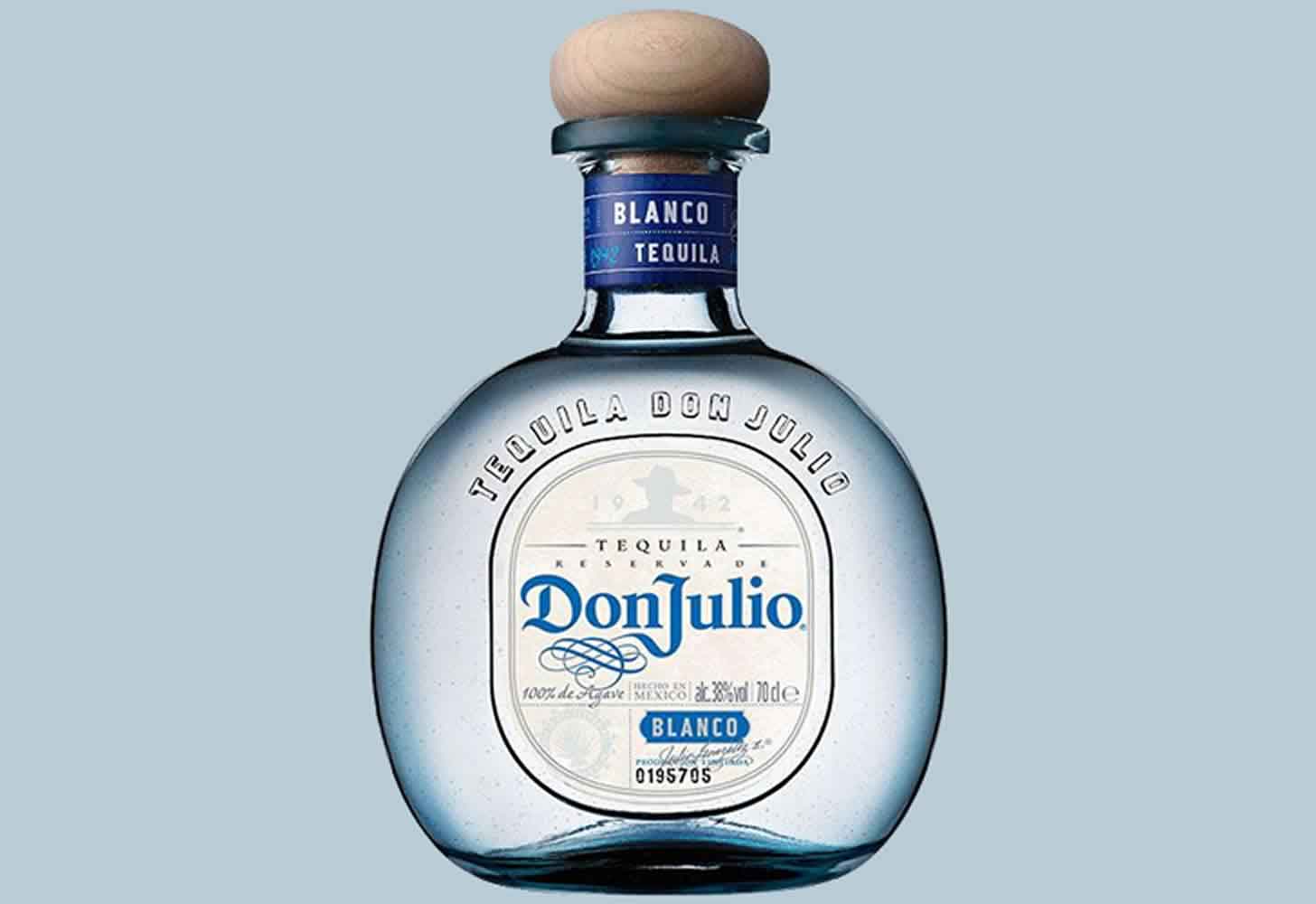
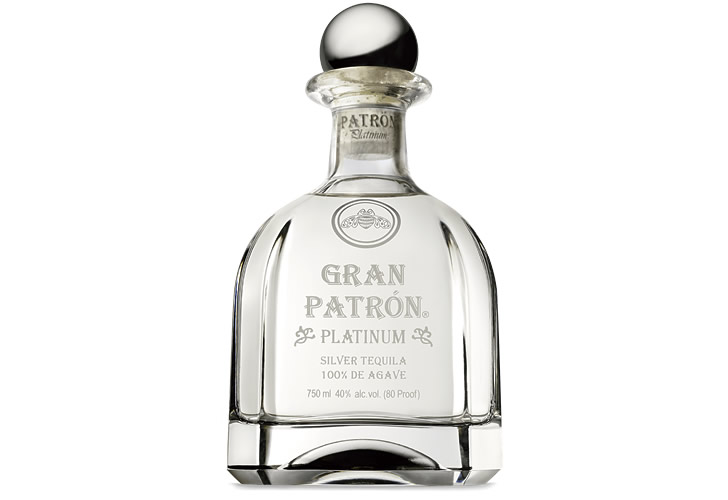
Tequila Blanco or White, Plata, Platinum (white or platinum tequila)
The most favorite Mexican drink, which has no color, but retains the original taste of agave distillate.
This tequila, for the most part, is not aged and, like all the following varieties, is 100% agave.
At the same time, this class also includes drinks that have been in barrels, whose aging does not exceed two months. The best in this category are: "Sauza Tres Generaciones Plata" and "Chinaco Blanco".
When choosing tequila of this type, you should carefully study the label. Often drinks of the "silver" class are designated as "blanco", and sometimes - and vice versa. In this case, the defining criterion is the presence or absence of the "100% de agave" label.
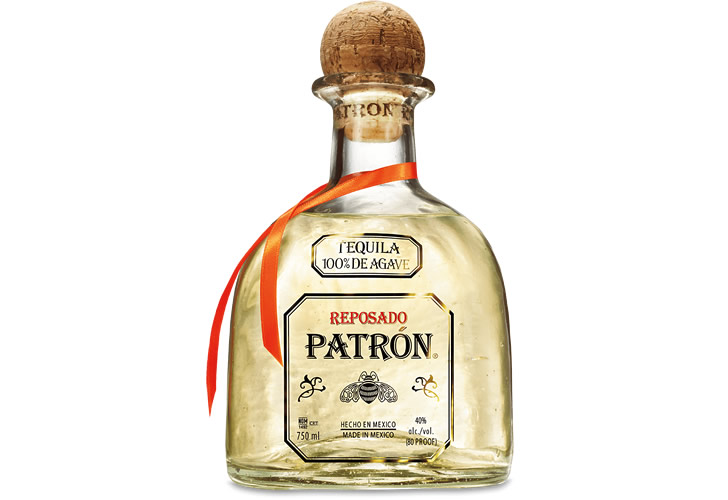
Tequila Reposado (rested tequila)
A drink aged in barrels from two months to one year.
Rested tequila is characterized by a naturally occurring golden color and a relatively mild, balanced flavor.
The leaders of this class of drinks are: "Herradura Reposado" and "Cabo Wabo".
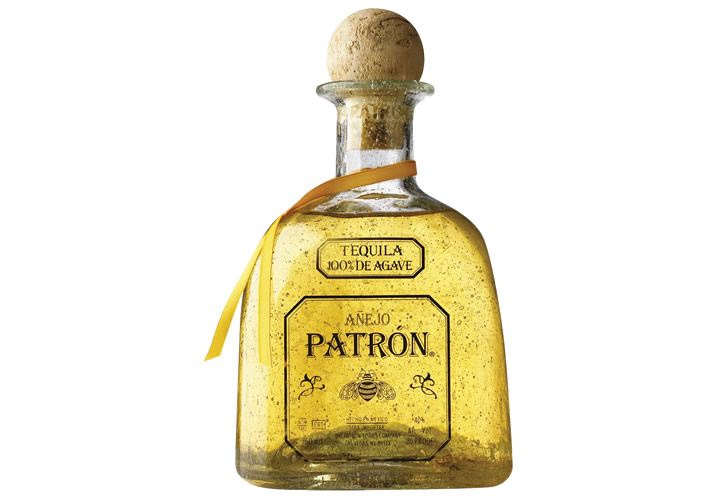
Tequila Añejo (aged tequila or tequila in years)
Respected elite alcohol, whose aging period varies between one and three years.
Differs in rich amber color, mild deep taste and rich aftertaste.
According to Mexican law, the production of this type of tequila must use barrels that do not exceed the six-hundred-liter limit.
Examples of such privileged drinks can be considered: "Doña Celia Anejo", "Villa Lobos Anejo" и "Casa Noble Anejo", although the list of worthy representatives of this category is not limited to these brands.
Tequila Extra Añejo (extra aged tequila)
This category includes collectible beverages with an aging period of more than three years.
As in the previous case, the volume of barrels must not exceed the six hundred-liter barrier.
Some masters bring a peculiar zest to their alcoholic masterpieces by adding a certain amount of more aged spirits to a four- or five-year-old base.
Extra Añejo drinks are characterized by a deep golden color with a reddish tint, an indescribable flavor and aroma range, as well as a long, multifaceted aftertaste.



How to choose tequila
Take only a bottle that clearly says "100% agave"
Or: 100% Blue Agave, 100% De Agave, Tequila 100% puro de agave.
Country of origin
The birthplace of tequila is only Mexico. The first three digits of the barcode: 750.
Study the brand before buying
If the manufacturer works with the technology of natural fermentation, it will be the most aromatic and rich in taste tequila.
NOM identifier
For example, since 1990, there have been NOM-006-SCFI-1993, later NOM-006-SCFI-1994, NOM-006-SCFI-2005 and NOM-006-SCFI-2012.
The number after NOM is the number of the distillery assigned by the Mexican government. NOM does not indicate the location of the distillery.
Tequila storage conditions
Unlike wine, which contains tannins that can change over time, even in the bottle, spirits such as tequila do not change much after they are bottled.
Since tequila is a distilled alcohol, it does not require strict storage conditions like wine. The same goes for most other spirits, such as whiskey, rum or vodka.
It is important to understand that the taste, aroma, and color of tequila are determined in the process of aging in wooden barrels.
However, to maintain the quality of your tequila, Vzboltai recommends that you meet at least three conditions:
Constant and moderate temperature (from 15 to 18 degrees).
No exposure to direct sunlight.
A well closed cork will preserve all the characteristics of tequila longer.
In addition, silver tequila is the most stable, and darker and more complex types are more critical to all the mistakes above.
It is important to remember that as soon as the bottle is opened, tequila immediately undergoes oxidation, which will occur even with the lid tightly closed, but to a much lesser extent. In addition, if there is more space for air in the bottle, the oxidation process will occur faster for the liquid inside the bottle.
It is therefore best to consume tequila within one or two years of opening. For the most part, changes in tequila quality occur due to extreme conditions of improper storage, not due to oxidation.
Update: 25.04.2019
Category: Tequila