Grolsch beer: history, overview of types + interesting facts

Grolsch (Grolsch) - is a beer from the Netherlands with more than 400 years of history. It has unique organoleptic properties due to the use of two types of hops in the recipe. The taste depends on one, the aroma on the other.
History of Grolsch beer
1615: On May 11, Willem Nerfeldt founded a brewery in Groenlo. One of its brewers, Peter Quijper, later became known as the creator of Grolsch beer.
1897: A new 0.5 liter bottle was introduced. The lid was made of porcelain, with a rubber ring and a metal lever to open it. Over time, this type of lid conquered the market.
1922: The brewery took a long time to recover from the events of the First World War. It was decided to combine the two breweries located in the towns of Grunlo and Enschede and give them the common name NV Bierbrouwerij De Klok.
1949: The company hired Gerard Brammer as advertising director. The business has been family-run since its inception, and the new employee was the first to come from outside the de Groen family. The first advertising campaign was: "Beer experts ask about Grolsch".
1972: The company began to export more actively than before. The bottle with the metal lever stood out among competing imported brands.
1980: A new legendary advertising slogan was created: "One day...You will stop drinking beer, but continue to drink Grolsch!", thereby confirming the quality of the product.
2000: On May 13, a devastating explosion occurs at SE Fireworks, a fireworks factory just 200 meters from the brewery. The brewery in Enschede was also affected and temporarily closed. Employees had to move to a second plant in Grunlo.
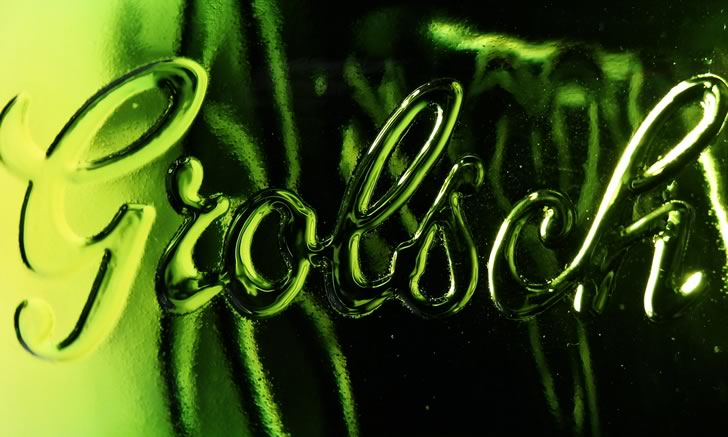
2007: The brown bottle was replaced with a green one. The sides are embossed with the brand name and the symbol of the two hop varieties used in the composition.
2016: In October, Grolsch was acquired by Asahi Group Holdings Ltd. The brand is part of the European division of the Asahi Group.
2020: The beer entered new international markets. Previously available in Canada, the UK, France, Australia, Russia and many other countries. It is still a symbol of quality and craftsmanship.
The species represented in Russia
-
Grolsch Premium Lager, 4.9%. European premium lager of golden color, medium foam. Refreshing taste with a slight hop bitterness. Very carbonized. Bitter aftertaste.


Types presented abroad
-
Frisbittere IPA, 5.5%. Indian pale ale. Slightly cloudy. Aroma of citrus and tropical fruits. The taste is quite bitter.
-
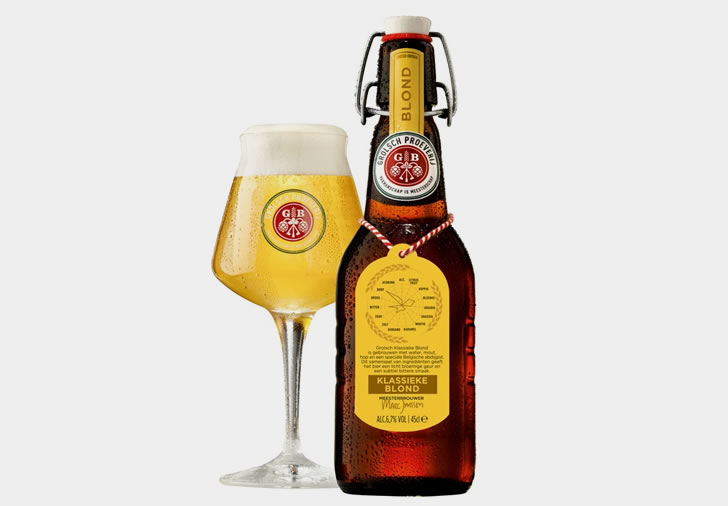
Klassieke Blond, 6.7%. Brewed with special Belgian abbey yeast. Unobtrusively smells of flowers, bitter.
-
Blonde Saison, 6.5% alcohol. Natural honey in combination with Saison yeast determines the pleasant dry character. A perfect balance between fruity and spicy notes.
-
Kristalheldere Zomerbok, 6.4%. Belongs to the type of bock beer. Inspired by the authentic recipe of the German Kristall Weizenbock. Fruity with notes of cloves, interesting and tingling aftertaste.
-
Radler Limoen, 0%. Half beer, half natural lime juice. Has a fresh taste and aroma.
-
Puur Weizen, 5.1%. A wheat beer brewed according to the "Beer Purity Act", or Reinheitsgebot, from exclusively natural ingredients. Has a fresh taste and a characteristic aroma of cloves and fruit.
-
Frisse Lentebok, 6.5%. A blend of noble hops and plenty of roasted malt create teasing notes of citrus, honey and green apple. Fresh aroma with spicy tones reminiscent of spring.
-
Volle Dubbel, 6.8%. The addition of dark malt gives a mild caramel aroma and rich.
-
Kruidige Tripel, 8.3%. Brewed with cardamom, coriander and lemongrass. Spicy.
-
Geripjte Herfstbok, 6.6% alcohol content. Reveals a bouquet of caramel, raisins and red fruits.
-
Krachtig Kanon, 11.6%. Quite strong due to double fermentation at high temperatures. Has fruity sweetness and hints of ripe figs, juniper and caramel.
-
Winterbok, 7.5%. Belongs to the bock variety with a delicate spicy honey flavor. Smells like ginger, cinnamon, cloves and honey.
-
Rijke Herfstbok, 6.6%. The aroma of caramel and subtle notes of cinnamon, raisins and blueberries dominate.
-
Radler Limoen, 2%. Slightly sweet, brewed with lime juice.
-
Radler Citroen, 2%. The taste is fresh with lemon tones.
-
Radler Citroen, 0%. Brewed from carefully selected ingredients and carbonated spring water. Then natural lemon juice is added. Sweet, refreshing.
-
Radler Minder Zoet, 0%. Contains only natural sugar and lemon juice. The beer has a fresh, slightly sweet taste. It differs from the standard radler by its lower sweetness.



Awards
The beer received an honorary award in 1995. It is awarded to Dutch companies that have been successfully operating for more than 100 years, have an impeccable track record and are respected. The brewery was awarded the status of "Royal", so the name changed from Grolsch Brouwerij NV to Koninklijke Grolsch Brouwerij NV.
Interesting facts
-
In the Dutch language, the brand name is read as "grols", although the German pronunciation "grolsch" has taken root in the world.
-
Peter Quinger, who brewed Grolsch for the first time, wanted to marry the girl, but was rejected three times. According to legend, she agreed to marry him only when he created the recipe for the perfect beer. It is easy to guess that they eventually got married.
-
In 2015, the brand celebrated its 400th anniversary. Now it is one of the oldest and largest breweries in the Netherlands for 400 years.
Update: 25.05.2020
Category: Beer, Cider, Ale