Sake: how to drink, how to make, strength + recipe at home
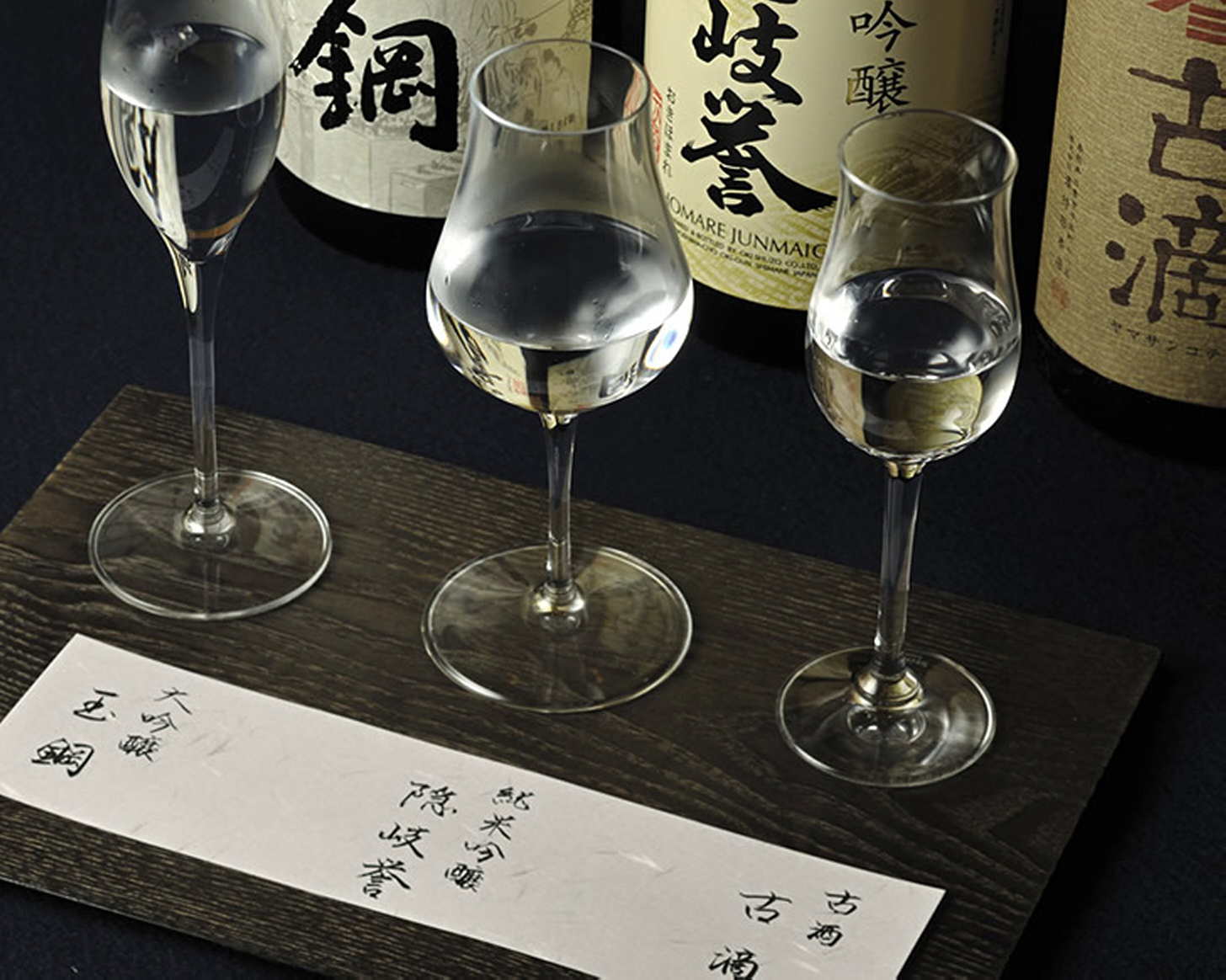
Sake - is a traditional Japanese alcoholic beverage made from special varieties of rice. There is a lot of controversy around nihonshu, which is how the Japanese call sake. Someone claims that it is rice vodka, someone is convinced that it is rice wine, and there is also a version that it is a simple rice beer.
In fact, sake is not similar to traditional European types of alcohol, and it is very difficult to attribute it to any group of alcoholic beverages. But the Japanese are convinced that this is a self-contained drink that does not fall into any of the existing categories.
What is the difference between sake and vodka
Since we have already figured out that there is no such thing as "rice vodka sake", we now have to find out what the main differences between them are:
Different strength of drinks. Vodka is 40 degrees, and in sake, the strength of the drink ranges from 14-20%.
Different consistency. Sake is thick and viscous, very similar to liquor.
Sake differs from vodka by its flavor. The rice drink captures notes of fruit, flowers, grains, nuts, beans, herbs, spices, dairy products, honey, caramel, chocolate, earth, mushrooms, hay, and even meat.
Classic vodka has a crystal clear color, and sake, depending on the degree of maturity, can vary from a delicate lemon hue to a deep amber color.
Different technology of preparation.
How sake is made in Japan
In Japan, special sorts of rice are used to make sake, which differ from ordinary rice in their large grains and high starch content. The best varieties are considered to be "Yamadanishiki" and "Omachi".
The process of rice drink production can be divided into 8 stages:
Rice milling. This process takes 2-3 days.
Rice washing, soaking and steaming.
Preparation of koji rice mash.
Preparation of the primary mash "moto".
Preparation of the main brew "moromi".
Pressing.
Filtration. After pressing, sake is filtered through activated carbon.
Aging.
The production technology usually leads to a strength of about 18-20 degrees of alcohol. However, sake is diluted with water to about 15 degrees before bottling.
As for the process of sake production at home, it is, of course, different from the factory one, but the main stages are still preserved.

Sake recipe at home
Sake production is very similar to beer production, but differs in the way the starter is prepared. The difference is that malt is prepared for beer by germinating the grain. And the rice used in the recipe for making sake is not germinated, but fermented.
Before proceeding directly to the preparation of the drink itself, we need to prepare two types of starter. Of course, you can also use store-bought analogs, but there is no guarantee that all the rules for its storage have been followed.
Koji sourdough starter
Ingredients
Koji kin seeds - 1 tsp.
Round rice - 800 g
The method of preparation
First, we need to rinse the rice thoroughly until the water is completely clear.
Then put the rice on a sieve and leave it for 1 hour to drain off the excess water.
Now you need to steam the rice. You can use a double boiler or slow cooker for this. Rice cooked in the usual way is not suitable for sourdough.
Cool the finished rice to room temperature, sprinkle it with koji seeds and cover it with a cotton cloth or gauze thoroughly moistened with water. Leave for 14-16 hours for fermentation.
It is easy to determine the readiness of the starter - the rice will turn snow-white and there will be a pronounced smell of cheese.
Live Moto sourdough starter
Ingredients
Steamed rice - 180 g
Koji sourdough starter - 75 g
Water - 270 ml
Dry baker's yeast - 5 g
The method of preparation
With steamed rice, repeat the first 3 points from the koji sourdough recipe.
Mix the finished rice with the koji starter, add warm water, yeast and mix everything thoroughly.
Transfer the prepared mixture to a glass container, cover and refrigerate for 10 days. At the same time, you need to shake the contents of the jar daily.
Properly prepared starter should have a creamy consistency.
After we have prepared two sourdoughs, we can proceed directly to the preparation of sake.
Ingredients for sake
Steamed rice - 15 cups
Koji starter - 700 g
Moto sourdough starter - 500 ml
Water - 4 liters
The method of preparation
Sake will be prepared in several stages. First, we need to cook the rice.
Now cool 375 g of rice to room temperature and mix it with moto starter, 450 ml of water and one glass of koji starter. Transfer the mixture to a 3 liter glass container and leave it in the heat for a day. Stir the contents of the jar several times during the day. During this time, the rice will absorb all the liquid.
On the third day, add another 750 g of rice, 225 g of koji starter, and 6 cups of water. Leave it in the same place for another 12 hours. And do not forget to stir.
On the fourth day, add all the remaining ingredients, mix thoroughly and leave it warm again.
On the fifth day, active fermentation will begin and we continue to withstand it to the desired strength. On the 10th day, the strength of the drink will be on average 15 degrees, and on the 20th day about 19 degrees.
The finished drink should be filtered, then passed through a filter and bottled.
Young homemade sake can be stored in the refrigerator for about 30 days.
How to drink sake correctly
Sake is drunk following certain rules, etiquette and traditions.
It is usually served in a special tokkuri jug. According to Japanese traditions, before each toast, the drink is poured into small choko cups, and before drinking, one must say "Kompai", which means "to the bottom".
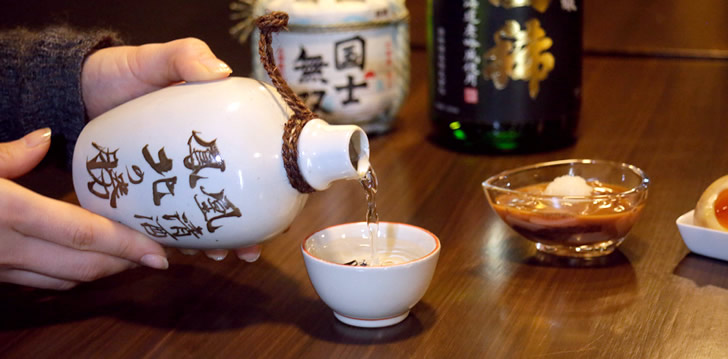
As for the temperature of consumption, sake is usually drunk both chilled to 5 degrees and heated to 60 degrees. But the Japanese adhere to one rule: "Good sake is drunk cold. Bad sake is warm". This is due to the fact that when the rice drink is heated, all the rich aroma and taste is dulled or completely disappears. Therefore, it is recommended to heat sake of lower quality.
It is recommended to serve national Japanese dishes or more familiar to us nuts, chips or cheeses as appetizers.
Update: 05.02.2018
Category: Other alcohol