Plum: history, review + 8 popular brands

Plum (rakija) - an alcoholic beverage common in the Balkans, made from fermented fruit by distillation. The name rakija is common in countries such as Macedonia, Serbia, Bulgaria, and Croatia.
An identical drink made in Romania is called palinka or cuca.
The history of the drink
The production of plum rakija began in the XVI century in Serbia in peasant villages. The local population liked the sweet and multifaceted taste. Production has become massive.
There is information that when information about plum reached the upper class, the nobility appealed to the ruler to ban moonshine. On the basis of a petition, the emperor issued a law prohibiting the production of plum.
However, this did not prevent its spread. The drink was so popular with the local population that in the XVIII century it spread throughout modern Europe.
Overview of plum raki
Plum has spread throughout the Balkan countries. It also took root in Hungary, Slovakia and the Czech Republic. Plum rakija has become a national drink for Serbs. On the territory of this country is grown 12% of plums from the world production.
Depending on the number of distillations, the strength of the drink varies from 40 to 75 alcohol volumes. On average, the most widespread are drinks with a strength of 45-53% by volume. alk.
Aging is carried out in oak barrels for an average of 5 years. However, there are varieties that are aged from 2 to 20 years.
During aging in oak barrels, plum wine acquires a rich aroma of ripe plums, as well as a wonderful golden hue, saturated with notes of oak.
If you wish, you can visit many excursions and establishments in Serbia that provide an opportunity to get acquainted with the process of making an ancient drink.
Popular brands of plum wine
-
Takovo
Strength 40 degrees, white or yellowish color, with a sharp plum aroma.
It is quite rough and has a sharp taste with a specific moonshine smell of fresh plum.
Has a bright aftertaste of very ripe plum.

-
Zufanek
Strength 50 degrees, white in color. During the production period, it contains a large proportion of alcohol, reaching 56%, and therefore it has to be diluted.
Dilution is carried out with spring water until the percentage of alcohol content reaches 50%.
Aging is carried out in specialized metal vats in underground premises under temperature control at 12 °C.
Aged for 8 months to a year. During this period, it acquires its wonderful taste.
-
Jelinek Slivovice Zlata
Strength 45 degrees, light golden in color, with a plum aroma and notes of ripe fruit and hints of oak. Produced since 1934.
Slivovica is made from autumn plums dried in the sun, which are collected in specialized mortars, where they are mashed and the fermentation process begins.
The recipe for this drink belongs to Karel Singer, who founded the plant in Wisowice.
-
Jelinek Slivovice Bila
Strength 45 degrees, white in color, with a mild plum aroma. Plum rakija (brandy), which has been produced since the mid-18th century by Rudolf Jelinek.
Produced from dark late plum varieties dried in the sun. Then the plums are collected in mortars, where they are lightly mashed and fermented.
To obtain a crystal clear drink without a single shade of golden color, the plum is distilled three times.
-
Jelinek Gold Slivovitz Kosher
50 degrees, golden or white in color, with a mild aroma of ripe plum and oak.
Slivovitsa, produced at the R plant.-Jelinek has been produced since 1934 according to the original recipe from dried dark plums, which are collected in mortars, mashed and fermented.
Golden slivovice is distilled three times, as a result of which it acquires its unique taste and aroma.
This drink is aged for 5 years in oak barrels, acquiring new aromatic notes.
-
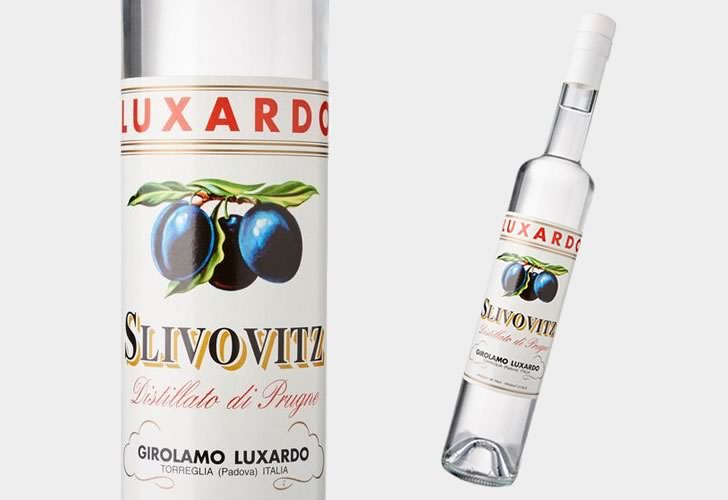
Luxardo
Strength 40 degrees, transparent color, with the aroma of ripe plum. Luxardo plum brandy has a typical taste and aroma.
The process of its production is complex and lengthy. Dark plums are harvested and then pressed without removing the seeds.
This is followed by a fermentation process that takes up to three months. Distilled according to an old recipe and left to age in oak barrels for two years.
-
Palirna U Zeleneho Stromu
Slivovitsa produced by Palirna U Zeleneho Stromu is a brandy with a rich fruity flavor, with bright, well-defined plum tones.
The drink is made from natural, high-quality plum distillate.
If necessary, the distillate is diluted with soft drinking water to the desired level of strength.
After reaching the required level of alcohol, the drink is sent for maturation, which results in its own taste and aroma.
-
Granette & Starorezna
53 degrees strength, transparent color, with a bright sweet plum aroma.
Plum raki produced by Granette & Starorezna is characterized by a delicate, delicate velvety taste with a very long fruity aftertaste.




Interesting fact
The spread of plum raki outside of Eastern Europe was due to Jewish immigrants. Vodka and other grain-distilled spirits are not kosher during the Passover holiday, and plum wine has become an analog for Jews who observe kashrut.
Many current plum rakia production facilities around the world have kosher certificates for their products.
How to drink plum cake
Alcohol is usually consumed as an aperitif due to its high strength. It should not be mixed with other alcoholic and non-alcoholic beverages or juices.
Plum is consumed in different forms: chilled, at room temperature and even heated. Different temperature conditions open up new shades of flavor.
The drink is served with toasted corn bread as an appetizer. However, according to tradition, the first glass is drunk without an appetizer.
Update: 12.12.2019
Category: Brandy and Cognac