Absinthe Mr. Jekyll): taste review and types

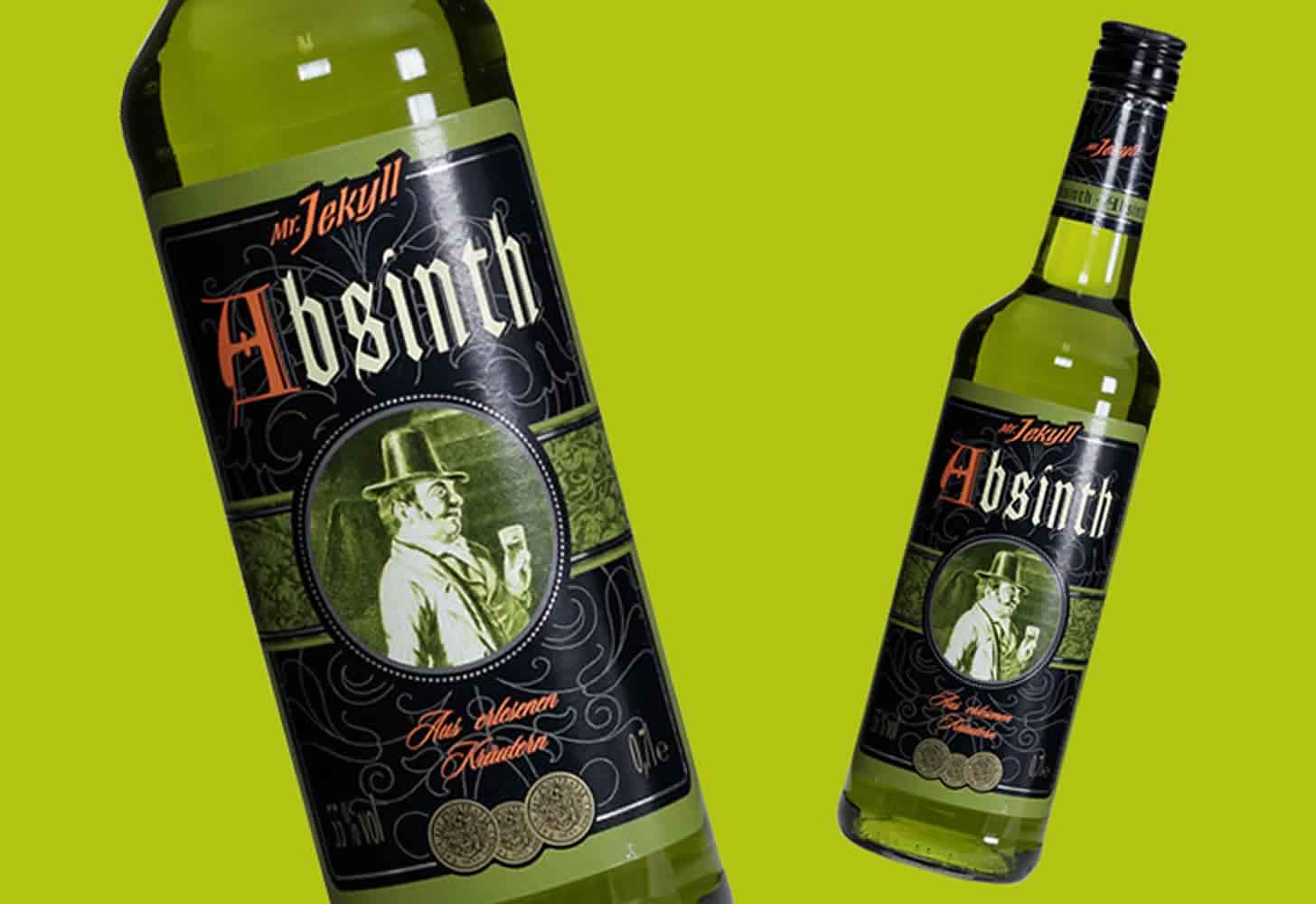
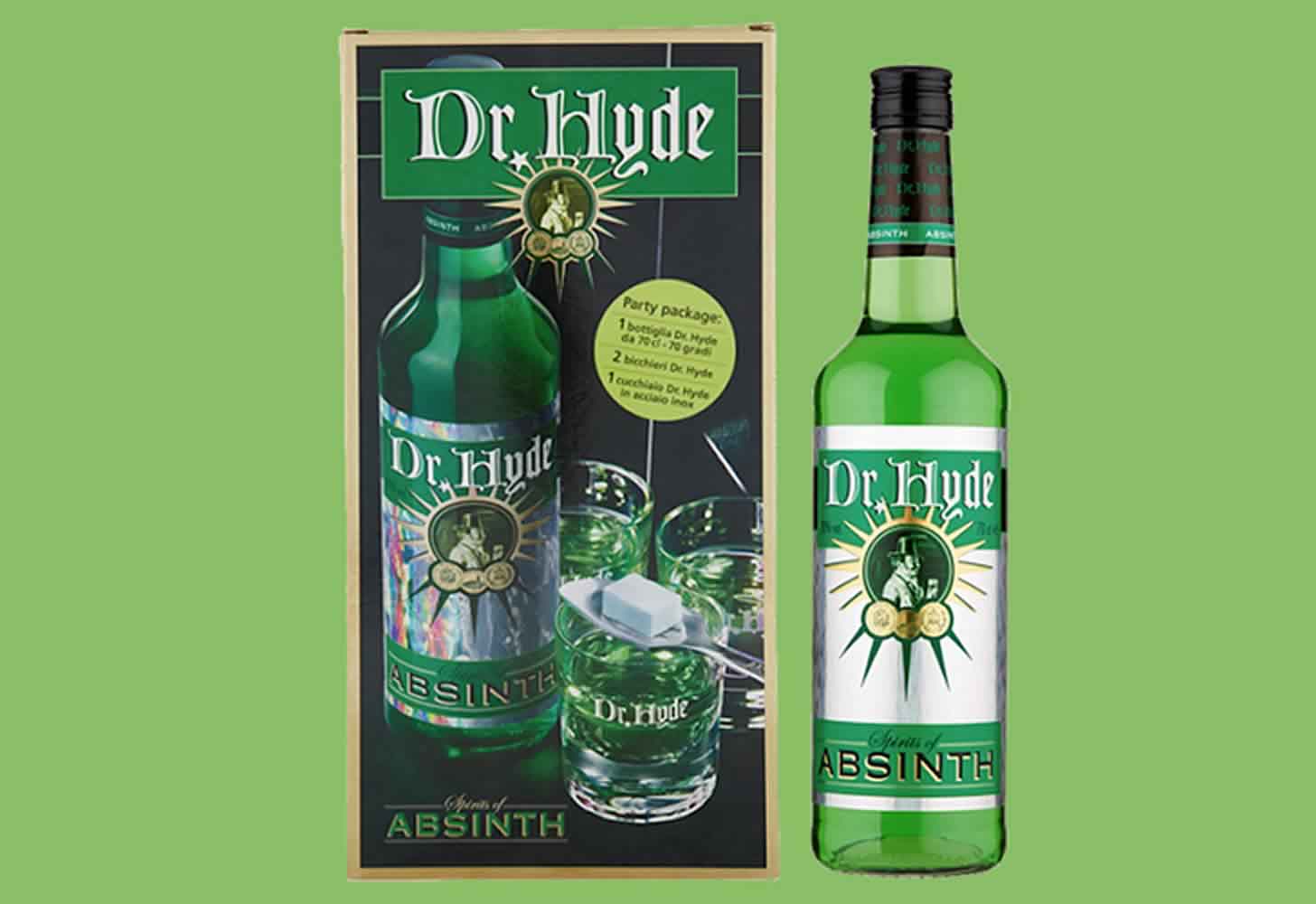
A bottle of Mr. Jekyll is adorned with a label depicting an elderly kindly gentleman holding a glass of drink - this is it, the very Mr. Jekyll. A stronger absinthe called Dr. Hyde, where the label features the same gentleman, but in the bright glare of fireworks.
The history of the brand
At one time, Germany was characterized by many family-owned businesses, which were forced to merge in the second half of the 20th century to survive in the market.
Thus, in 1969, two companies merged - Pabst, founded in 1898 by Hermann Pabst, and Richarz, founded in 1861 by Wilhelm Josef Richartz).
In the twentieth century, Richarz was known as a famous absinthe producer, but in 1923, the production of the drink was banned in Germany, and the company began to produce gin, schnapps, and liqueurs.
In 1988, Pabst joined the company & Richarz joins J. B. Berentzen (family company founded in 1758). This was the birth of the Berentzen Group, which later became one of the leading German alcohol producers.
2008 was a crisis year for the company, which forced it to close the old distillery, which had been operating since 1758.
To support the corporation and prevent it from collapsing, the management decided to update the range of products. This is how the production of the famous absinthe, which is made, among other things, according to its original technology, returned. Its name is Mr. Jekyll.
Types of absinthe Mr. Jekyll
Mr. Jekyll

Absinthe is bright green in color, produced by adding food coloring to alcohol, which is allowed by the European Union. It has a strength of 55%.
The taste combines anise tones and bright citrus notes. The incomparable aroma gives a pleasant interweaving of accents of wild herbs and exotic fruits.
The drink is recommended to be drunk in pure form in small doses or mixed with juice. The absinthe producer itself offers to try the cocktail "Death in the Afternoon", where the ingredients are 20 ml of absinthe, crushed ice and 80 ml of champagne.
Dr. Hyde
Absinthe is emerald green in color and has a strength of 70%.
The taste is characterized by pronounced herbal tones: wormwood, dill, fresh mint, licorice and others.
The aroma has hints of bitter wormwood.
Absinthe is usually consumed as follows: pour alcohol into a glass and add ice water.
Next, melt the sugar in a spoon and pour the mixture into the drink, it will gradually solidify into absinthe. And now you can drink it all in one go and eat it with sugar.
As you can see, the presented absinthes are special in their kind, but they will appeal not only to gourmets, but also to lovers of the classic version of the drink.
Update: 19.05.2018
Category: Absinthe