How to choose natural wine: 10 tips from a sommelier
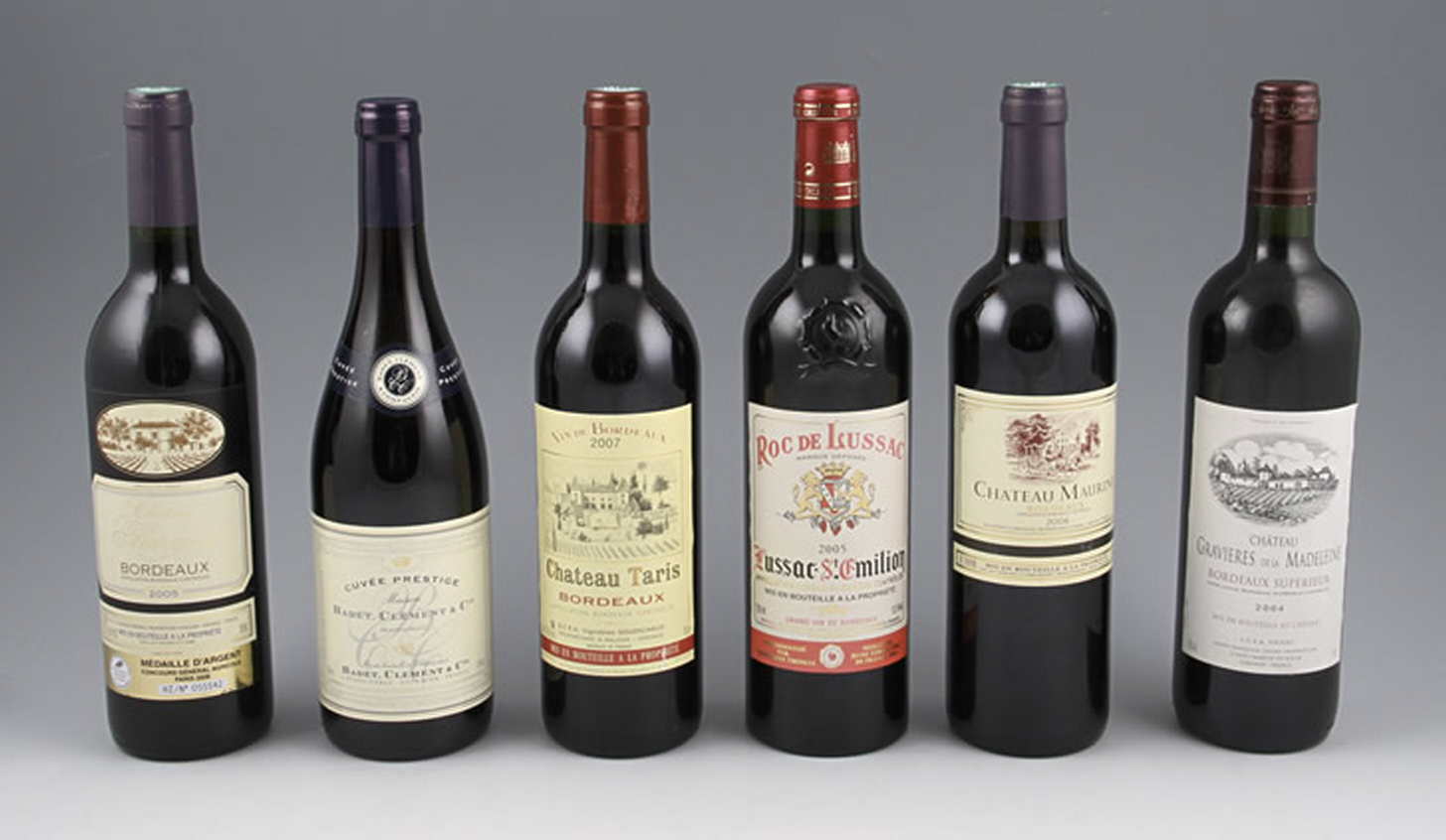
How to find good and natural wine on supermarket shelves? Probably, each of us has repeatedly asked ourselves this question. And most people's knowledge of wine ends at the stage of the most obvious characteristics: white, red, dry, semi-sweet and sweet.
Vzboltai decided to deal with this gap, and what came of it, read below..
Sommelier's recommendations for choosing natural wine
-
Good wine cannot be cheap
Adequate price from 5$ per bottle.
-
Semi-sweet or dry?
As a rule, semi-sweet and sweet wines are simpler and easier to taste than dry wines. However, some of them are superior to dry wines due to the peculiarities of production.
It is undesirable to buy inexpensive semi-sweet and sweet wines that do not indicate the varietal composition.
-
The label should indicate the year of harvest
The absence of this information is a confirmation that you are holding one of the surrogate options.
-
Print the name of the manufacturer on the front of the label
The mention of the manufacturer somewhere in the corner of the label in small print should be alarming.
-
Study the composition on the label
If instead of a list of grape varieties (for example, Cabernet Sauvignon 80%, Merlot 20%) you see "wine made from selected grape varieties", then it is better to put such wine back on the shelf - most likely, low-quality raw materials were used for its production.
Instead of grape varieties, "dry wine material" may be indicated. Such wine may be of good quality, but it is unlikely to please you in the evening.
Buy wine only in glass bottles - dark glass is ideal
Packaged wine is unlikely to be of acceptable quality, but it will be good for mulled wine. A producer who produces quality wine will not save on packaging.
The exception is wines, bought directly at the production site or in special 5-liter packages from the farmer.
-
Pay attention to the cork
It should not leak or be dry if it is made of natural materials. Also, screw caps are gaining popularity today - this type of corking should not scare off, because in this case the wine is completely protected from oxidation and "cork disease"... However, it should be borne in mind that a screwcap also stops the development of wine, so for red wines, a cork is often preferable.
The presence of an excise stamp is mandatory
Nowadays, you are unlikely to find a bottle of wine on store shelves without an excise stamp. However, it should be remembered that its availability is mandatory.
There should be a protective film or cap made of sealing wax on the neck
A colored hot-melt compound consisting of solid resins and fillers used for applying embossed stamps to mailings.
-
Use the Vivino app
It is enough to take a photo of the bottle, and you will immediately receive comments and an overall rating based on the rating from people who have already tried this wine. Pay more attention to the comments and descriptions of the wine, as you should not rely on the score alone.
You can download from Google Play и iTunes.
Update: 21.06.2021
Category: Wine and Vermouth