Non-alcoholic wine: how it is made and whether it can be drunk during pregnancy
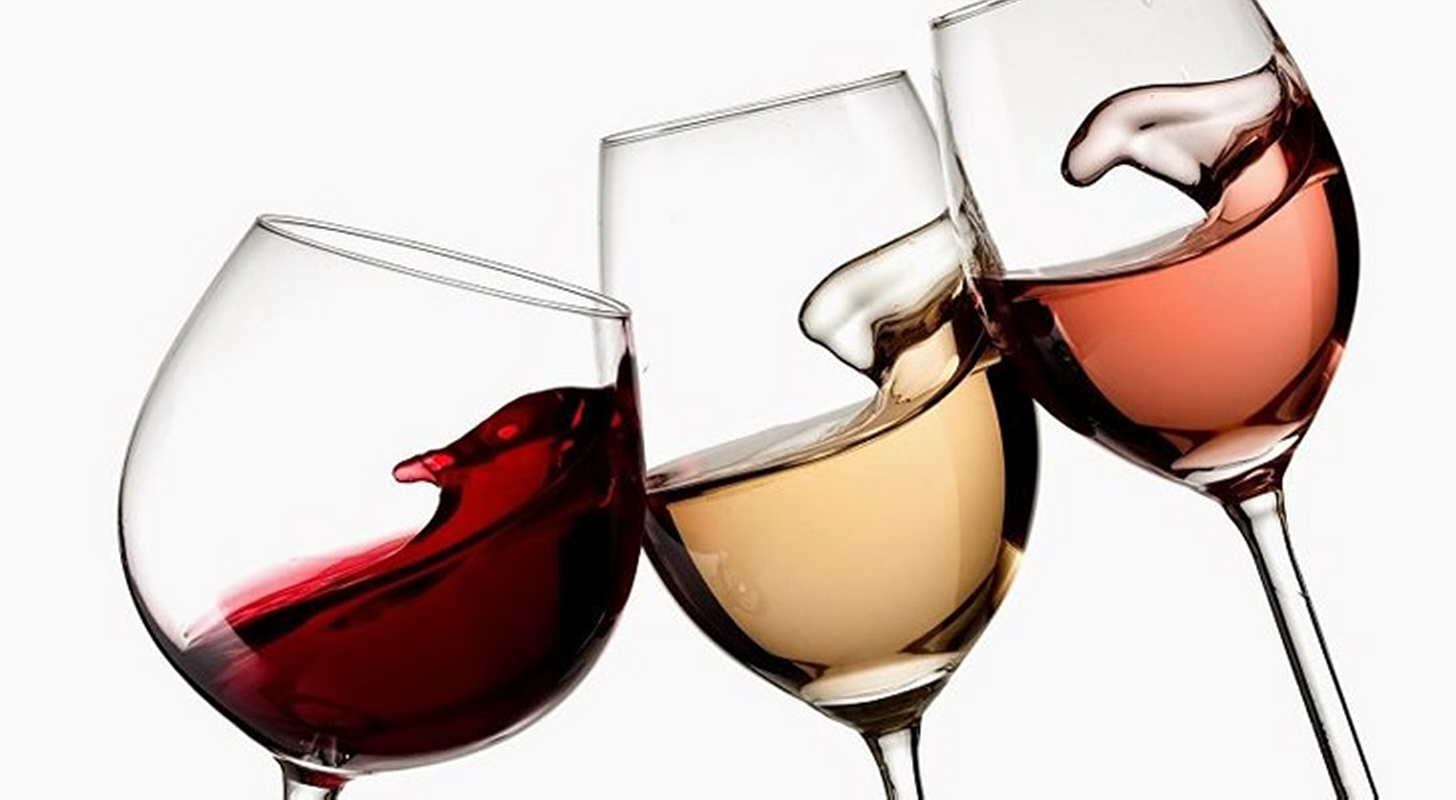
The recipe for non-alcoholic wine was patented at the very beginning of the XX century, and this product has become widespread only now. It has become an integral part of the so-called healthy lifestyle industry with its e-cigarettes, organic foods, and food additives of varying degrees of dubiousness.
A few words about non-alcoholic wine
Today, non-alcoholic wines, whose brands cover almost the entire range of the wine industry (yes, there are: dry non-alcoholic red wine, its dry white counterpart - natural non-alcoholic Chardonnay wine, non-alcoholic sparkling wine, ethanol-free roses, and even non-alcoholic ginger wine), are produced in large quantities by several dozen manufacturers.
For example, German non-alcoholic wine is represented on the market by such brands as Karl Jung and Dreissigacker, Spanish wine by Freixenet and Matarromera, French non-alcoholic wine by La Côte de Vincent, and Italian wine by Winezero...
The drink is also produced in the United States (a typical example is Ariel Vineyards), the Czech Republic (Bohemia Sekt) and even in Belarus (non-alcoholic wine "Ambassador" by the Minsk Grape Wine Factory).
These and other producers of the drink unanimously claim that their delicious non-alcoholic wine, whose composition does not differ from the usual one except for the absence of ethanol, can brighten the lives of many consumer groups.
Among the latter, first of all, there are supporters of a healthy lifestyle, people who are forced to avoid alcohol for medical reasons, as well as people who suffer from alcoholism, but want to get rid of this addiction.
In addition, according to the same manufacturers, nothing prevents you from drinking non-alcoholic wine while driving, during pregnancy and while breastfeeding.
Below, Vzboltai will try to figure out how much of these statements are true, and whether this actively promoted drink is really as tasty and healthy as they say.
How non-alcoholic wine is made
Let's take a look at how and from what non-alcoholic wine is made.
The technology of making this drink includes the usual winemaking process plus one more stage - the extraction of ethyl alcohol molecules from wine.
At this (last) stage, non-alcoholic wine can be produced in several different ways.
First of all, the separation of ethanol from the drink is achieved by pasteurizing the wine; t.е., its six-minute heat treatment at a temperature of 80-82 °C, followed by cooling. However, during this simplest procedure, which makes it possible even to produce non-alcoholic wine at home, the taste and aroma properties of the drink suffer significantly.
Two other methods:
Reverse osmosis
Filtration through a fine-pore membrane, which is used, in particular, in the desalination of salt water, and thin-film evaporation are quite long and also do not contribute to the preservation of the authentic taste and aroma of the "blood" of the vine.
Vacuum distillation
Allows for the actual pasteurization of the beverage at a gentle temperature not exceeding 27 °C. It is this method, proposed at the dawn of the last century, that is used by companies in the healthy lifestyle industry.
It must be admitted that the method of vacuum distillation allows you to get the final product as close as possible to its alcoholic counterpart. However, this proximity is relative.
It is only a matter of comparison with wines produced using the three previous methods.
The drink produced by vacuum distillation, although it tastes like ordinary wine, but at the same time, it is deprived of its alcoholic component, it gives the impression of being evaporated or even exhaled.
The aromatic bouquet of the drink, due to the absence of volatile ethanol compounds, is not able to reveal itself in its entirety, and therefore also loses in comparison with the classic pristine version.
To top it all off, it should be noted that such wine is significantly more expensive than its alcohol-containing counterparts.
The reason for this, in fact, is the presence of the aforementioned additional stage that removes alcohol from the drink.
Benefits and harms of non-alcoholic wine
Positive qualities
Preservation of all trace elements useful for the human body, present in ordinary wine.
Lower calorie content of the soft drink compared to its classic version, as well as lower sugar content (the latter is especially important for people with diabetes).
But at the same time, new generation winemakers are a bit cunning, not pointing out the harm of non-alcoholic wine, to which some groups of their target audience may be exposed.
First of all, we are talking about people who are trying to escape from the captivity of an alcoholic nightmare. The fact is that despite all the manipulations with wine, it still contains up to 0.5% alcohol.
And if this circumstance does not play a role for a healthy person, then in case of alcohol dependence, even this small proportion of ethanol can be a fatal cause of a breakdown.
Not everything is clear in the case of drivers. If you get behind the wheel immediately after two or three glasses of a supposedly safe drink, you can run into a decent fine or, if you're really unlucky, lose your driver's license.
The reason for this is the same tenths of a percentage of alcohol that can appear on the device of a meticulous traffic police officer. Т.е., the same unfortunate trouble can happen as in the case of drinking on the track half a liter of kefir.
Can I drink non-alcoholic wine during pregnancy
he questions of particular importance are: are there any contraindications to non-alcoholic wine for pregnant women and can a breastfeeding mother drink non-alcoholic wine??
After all, whatever you say, in this case we are talking not about one life, but at least two.

Although a number of doctors believe that drinking this drink during pregnancy and lactation is harmless to both mother and child, an equally large cohort of specialists holds the opposite view.
In their opinion, which is worth listening to, you can drink non-alcoholic wine during pregnancy, Drinking any wine (including non-alcoholic) can provoke allergic processes, to which the above-mentioned group of women is particularly vulnerable.
As you know, the cause of allergies from alcoholic beverages is not alcohol as such, but a number of other components contained in bottles of liquor.
In the case of wine, the allergen can be grape juice itself, sulfur compounds (sulfides) used as preservatives, and even chemical fertilizers used to spray vineyards.
Conclusions from Vzboltai
In our opinion, the dubious pleasure, and sometimes absolutely unequivocal harm from drinking non-alcoholic wine, which is, whatever one may say, just an ersatz product, is not worth the money that manufacturers ask for it.
If you seriously decide to defeat alcoholism, get healthy offspring or are just going to drive, you just need to realize the need for temporary or permanent sobriety without any imitations, simulations and pathetic attempts to deceive your body (here, as they say: either take off your cross or put on your pants)...
If you are afraid that you will feel uncomfortable in the circle of friends, then either they are not very real friends, or you do not consider them as such.
If you just want to lead a healthy lifestyle, then believe me, one or two glasses of good authentic wine, missed in a pleasant campaign, will not hinder you...
Update: 08.10.2016
Category: Wine and Vermouth